

Unlike traditional ocean cruises, which often feel like floating resorts, river cruises in Asia offer an intimate window into local culture, customs and daily life. The pace is slower and more thoughtful, taking you to the doorsteps of ancient temples, quiet villages and bustling markets – without the need for long bus transfers.
It’s also an easy way to explore countries where English isn’t widely spoken, such as Vietnam, India, China, Cambodia, and Laos. Not only can you call a floating boutique hotel home during this time (and only have to unpack your suitcase once), but almost all Asia river cruises include excursions led by local English-speaking guides who vividly bring centuries of history and culture to life.
Want to set sail yourself? Here’s everything you need to know to plan the ultimate river cruise in Asia.
Why choose Asia River Cruises?
Asia’s rivers are some of the most enchanting in the world, winding through ancient city centers, sacred temples and tranquil countryside.
Whether it’s the spiritual shores of the Ganges in India, the limestone karst landscapes of northern Vietnam, or the tranquil countryside of China, river cruising allows you to travel to places unknown – all on a comfortable boat, typically carrying fewer than 70 passengers.
It’s a window into unfiltered, culturally rich Asia. One moment, you’re gliding past a golden temple at sunset; the next, you’re watching saffron-robed monks accepting alms at dawn. Along these legendary waterways, life unfolds in a way that is both timeless and deeply personal.
Where should I take a boat trip in Asia?
vietnam and cambodia
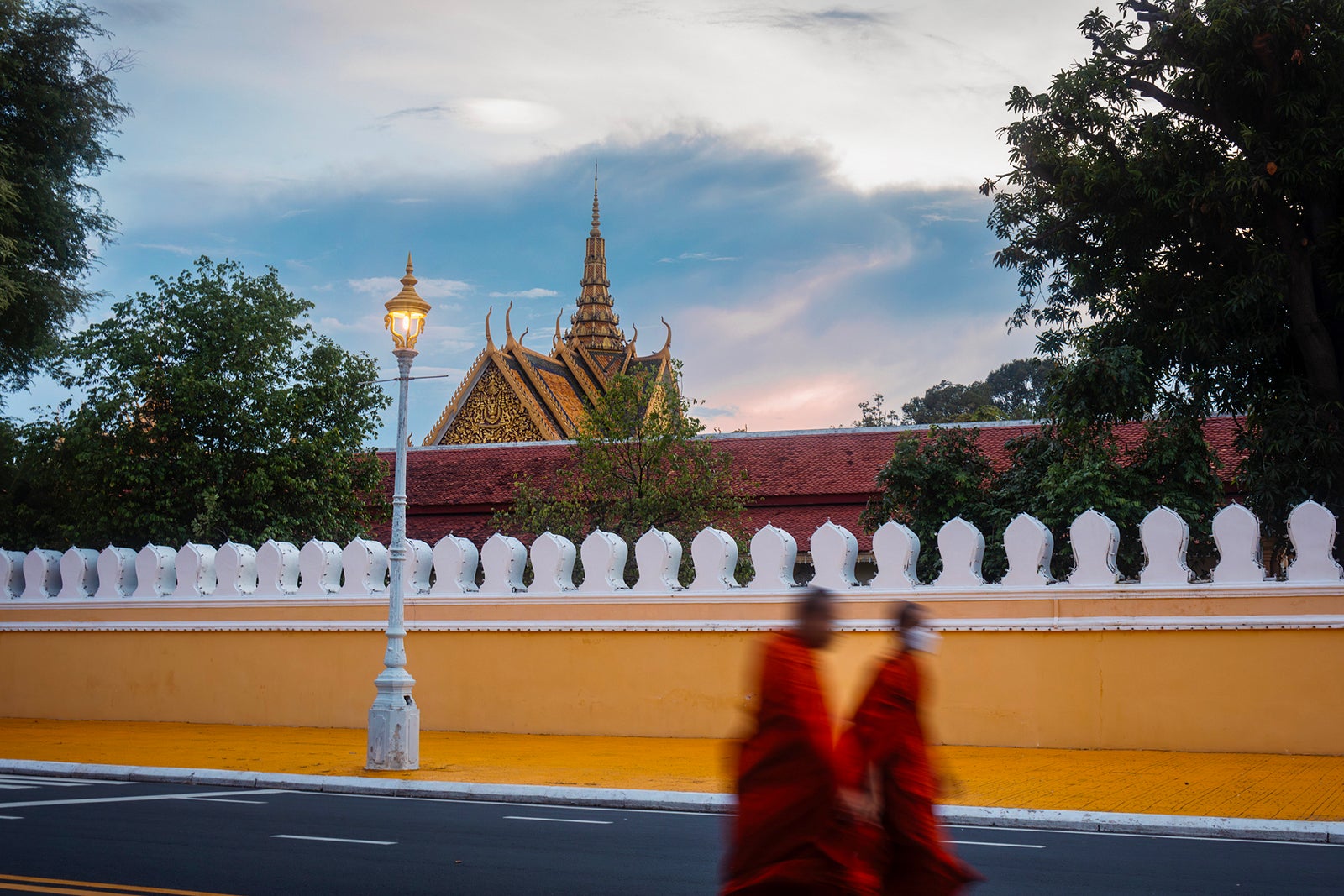
The Mekong River is Asia’s heartland for river cruises and is the lifeline from China via Laos into Vietnam and Cambodia. Most cruises explore the lower Mekong River, sailing between Ho Chi Minh City in Vietnam and Phnom Penh in Cambodia, stopping at stilt villages, silk workshops and intricately carved pagodas along the way. They also have the opportunity to visit the brutal killing fields of the Khmer Rouge – a sobering but important historical site. Some cruise lines, such as Scenic Cruises and Avalon Waterways, continue to Siem Reap, Cambodia, where visiting the majestic temple complex of Angkor Wat at sunrise is an excellent activity.
During Cambodia’s high-water season in October, both Pandaw and Aqua expeditions take a detour to Tonle Sap, an inland lake that floods the floating village stilts. They also sailed to Kratie to see the rare Irrawaddy dolphins.
Vietnam’s Red River (also known as the Hong River) flows through the heart of the north and is less visited than the Mekong. Most cruises depart from Hanoi, swapping the hustle and bustle of the Mekong Delta for the mist-shrouded limestone karst landscape of Halong Bay. They also sailed to quiet farmsteads further north, where the pace of daily life was more gentle.

Reward your inbox with the TPG daily newsletter
Join over 700,000 readers and get breaking news, in-depth guides and exclusive offers from TPG experts
India
River cruising in India is like stepping back in time. On the Ganges, especially the stretch between Kolkata and Varanasi, you’ll witness the heart of northern India: sunrise ceremonies on the embankments (riverside steps), riverside temples, mango orchards and remnants of colonial-era outposts.
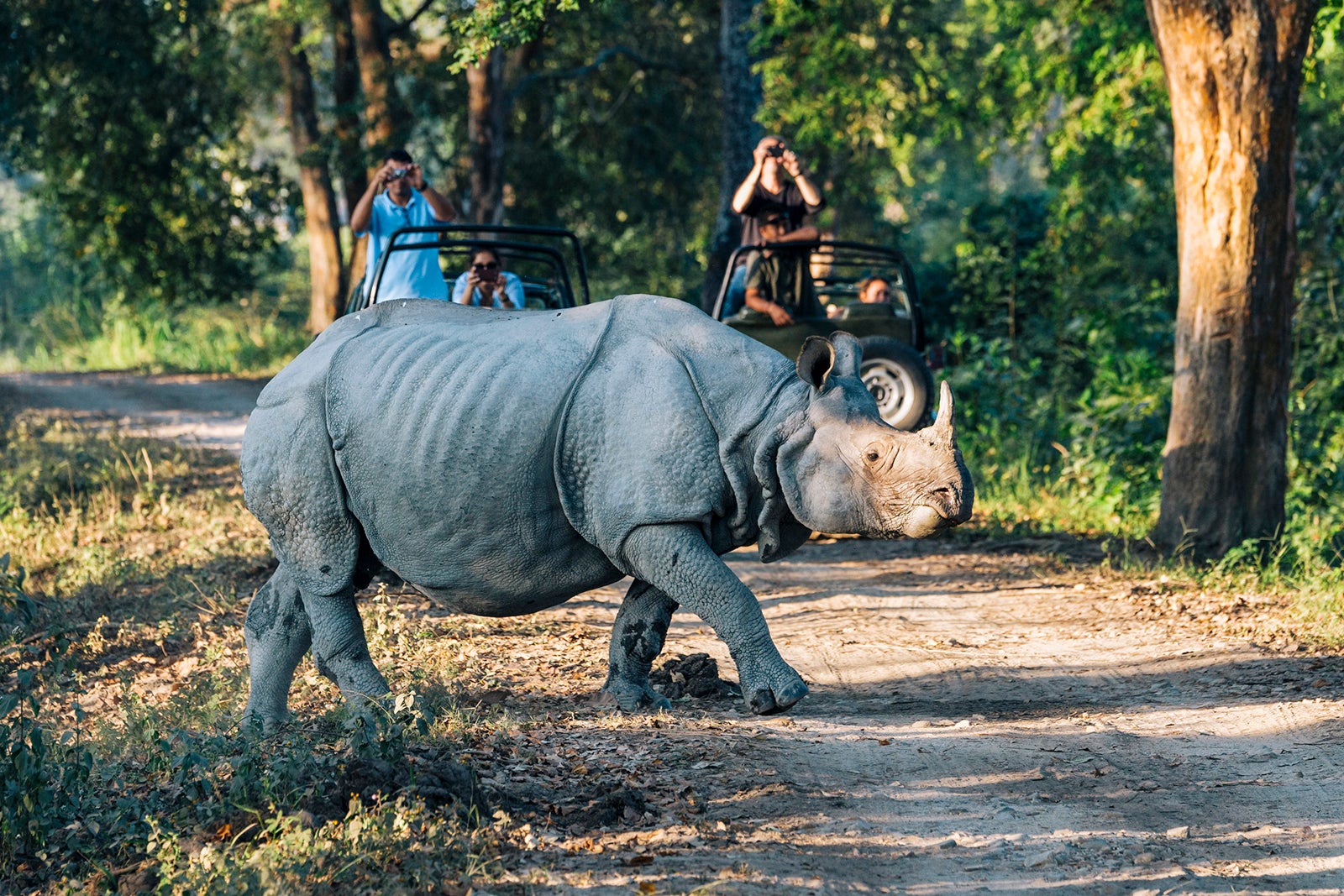
Further to the northeast, the Brahmaputra River meanders through Assam, where the Himalayas are within easy reach. Here, jungle-covered tea estates give way to tribal villages, teak forests and wildlife safaris in Kaziranga National Park, home to the endangered one-horned rhinoceros. Due to the unpredictable nature of the Brahmaputra river, boat tours here are best suited for those looking for an adventure off the beaten track.
The southern state of Kerala has just started opening up to luxury river cruises, thanks to Pandaw. The river has lazy backwaters, dreamy beaches and fewer crowds than in the north.
China
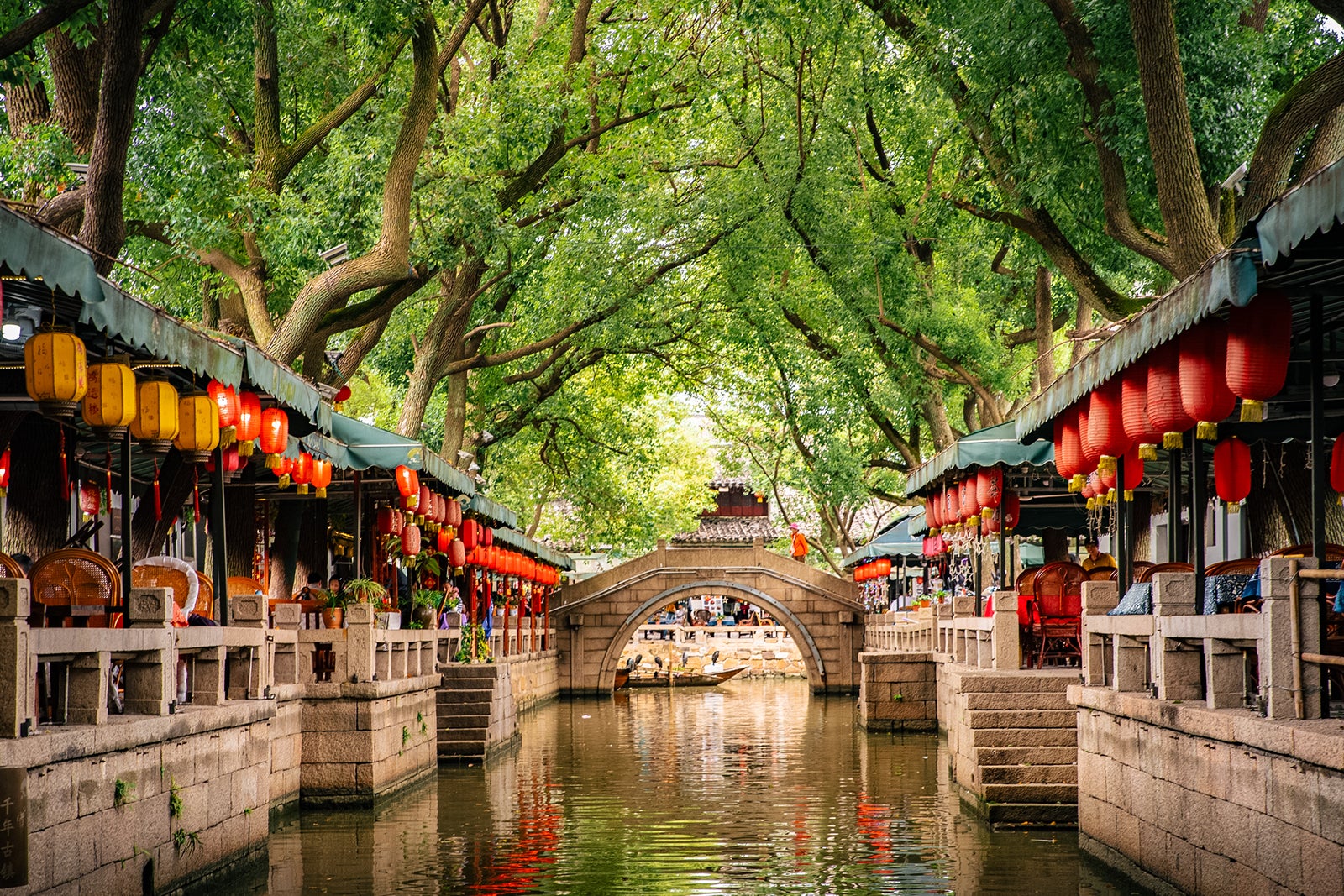
China’s Yangtze River is huge in both size and significance. Cruises here are as much about modern engineering as they are about ancient history. Cruise through the legendary Three Gorges, past mist-shrouded cliffs and hillside temples, before arriving at the massive Three Gorges Dam – one of the world’s largest hydroelectric projects. Shore excursions may include visits to ancient stilt villages, local markets or royal tombs. Life on board provides a front-row seat to China’s rapid transformation, and the surrounding scenery has inspired poets for thousands of years.
Myanmar
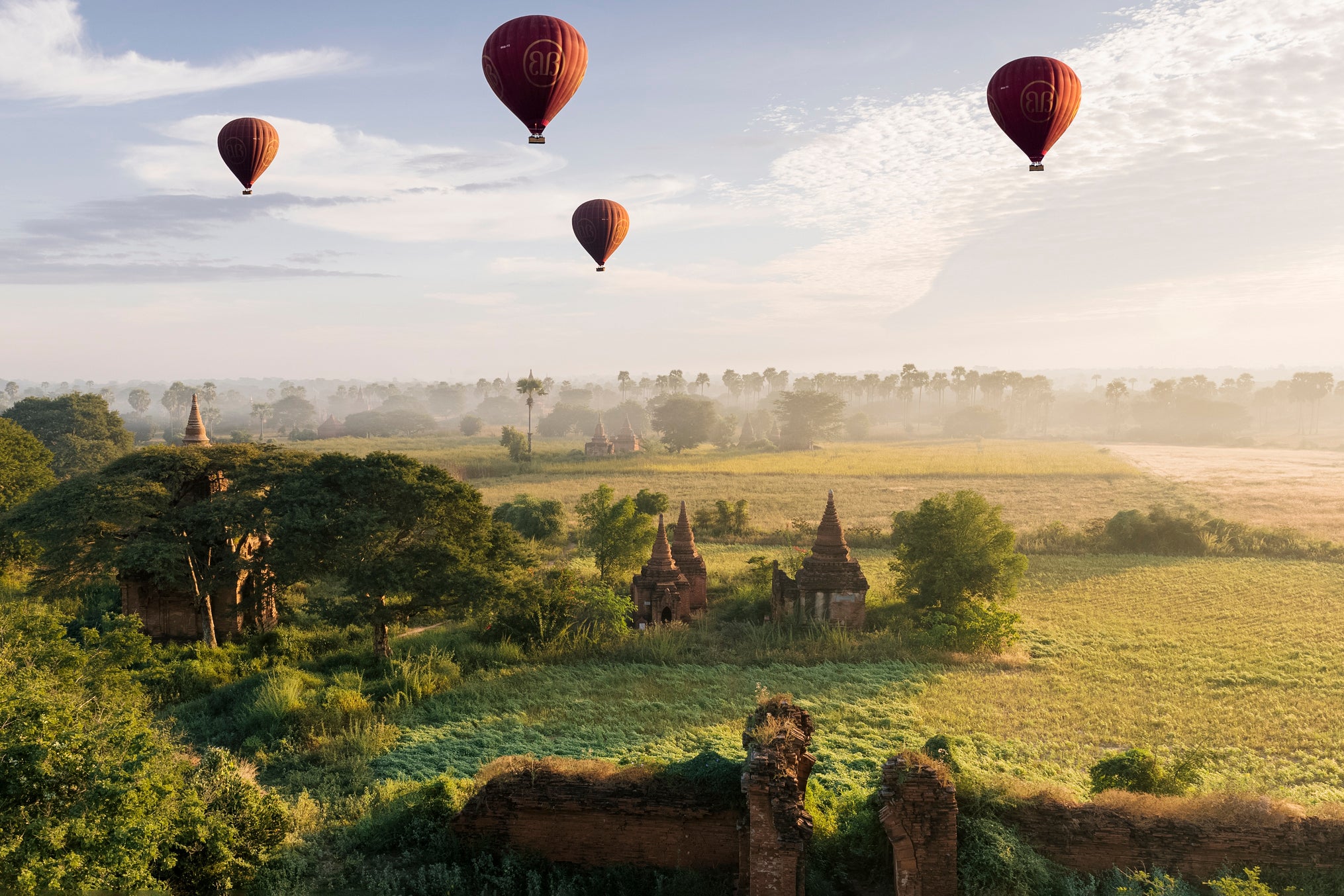
Myanmar was once a rising star in the cruise industry, but political unrest has currently suspended most river cruises there.
Which river should I cruise?
It depends on what kind of scenery and atmosphere you are looking for.
Cruising along the Mekong River, you’ll see morning markets, incense-filled temples and bustling riverbanks bursting with energy. The Yangtze, by contrast, is all about scale: monumental engineering feats like the Three Gorges Dam, mist-shrouded cliffs and ancient cliffside carvings.
In India, the Ganges brings a spiritual journey to cities like Varanasi, where rituals take place on the ghats at sunrise. Further north, the Brahmaputra offers something wilder, with everything from elephant safaris to views of the Himalayan foothills. In southern India, the backwaters of Kerala are a slow-paced journey through palm-lined canals and vibrant village life – all with the opportunity to savor fragrant seafood-rich cuisine.
What should I expect on board?
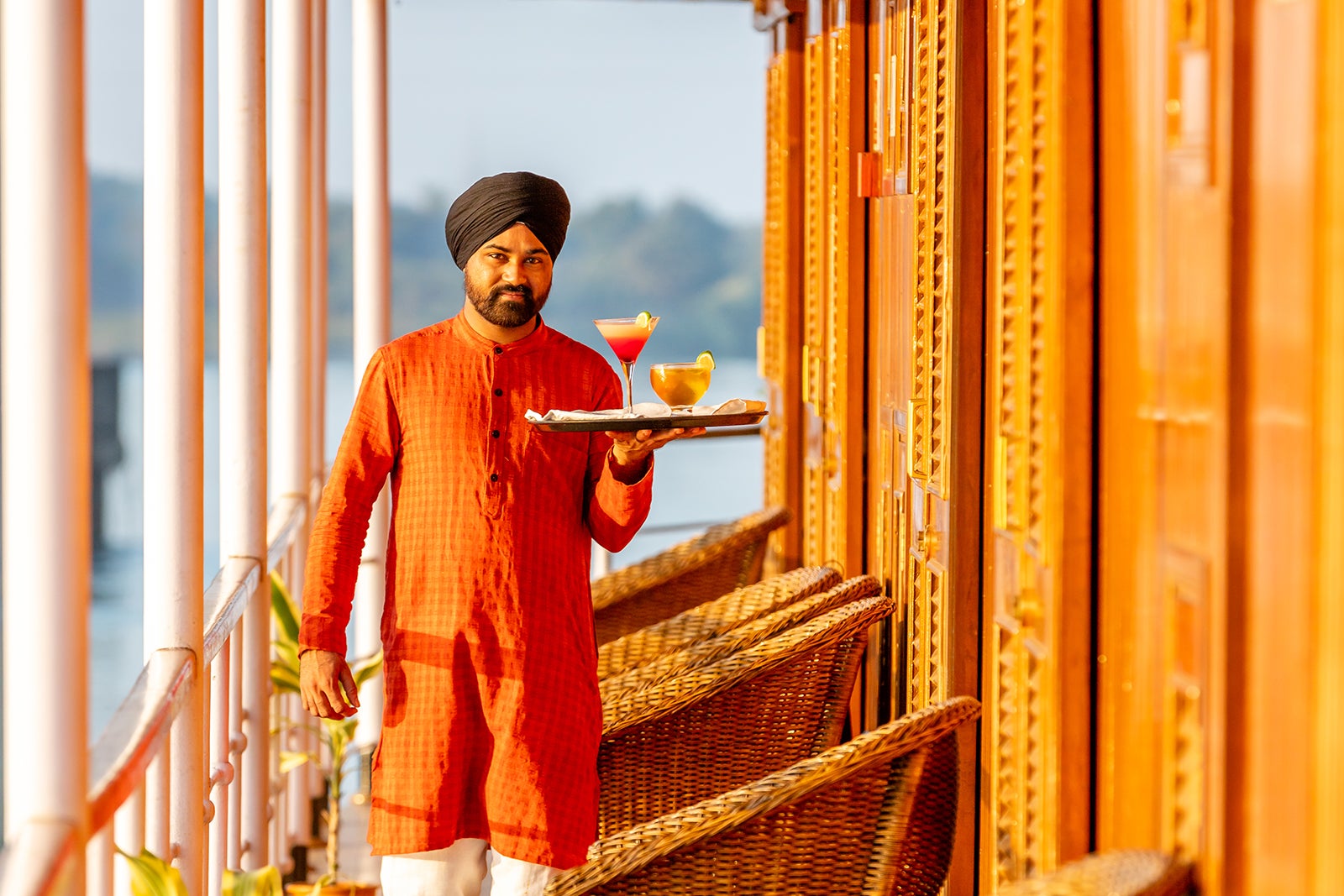
Most river cruises in Asia are operated by small, boutique cruise ships, typically accommodating only 20 to 60 passengers. The ships are private and comfortable, with stylish cabins, open-air decks and an on-board restaurant serving local cuisine. Some even have spas, swimming pools and daily yoga classes. English-speaking guides lead daily tours that may include visits to palaces, museums, villages, temples and cultural performances. Back on board, you may enjoy cooking demonstrations and traditional dance performances. Or maybe you just want to sit in your recliner and watch life go by.
When is the best time to go?
The best weather in South Asia usually occurs in autumn and spring – September to November and March to May. This is the dry season, when temperatures are milder, humidity is lower, and the landscape takes on seasonal colors. There are fewer crowds and fewer mosquitoes.
Cruises in northern India are an exception: the ideal time to sail here is in the cool, dry months of October to March.
Which lines sail on Asia’s rivers?
Mekong River (Cambodia, Vietnam and Laos)
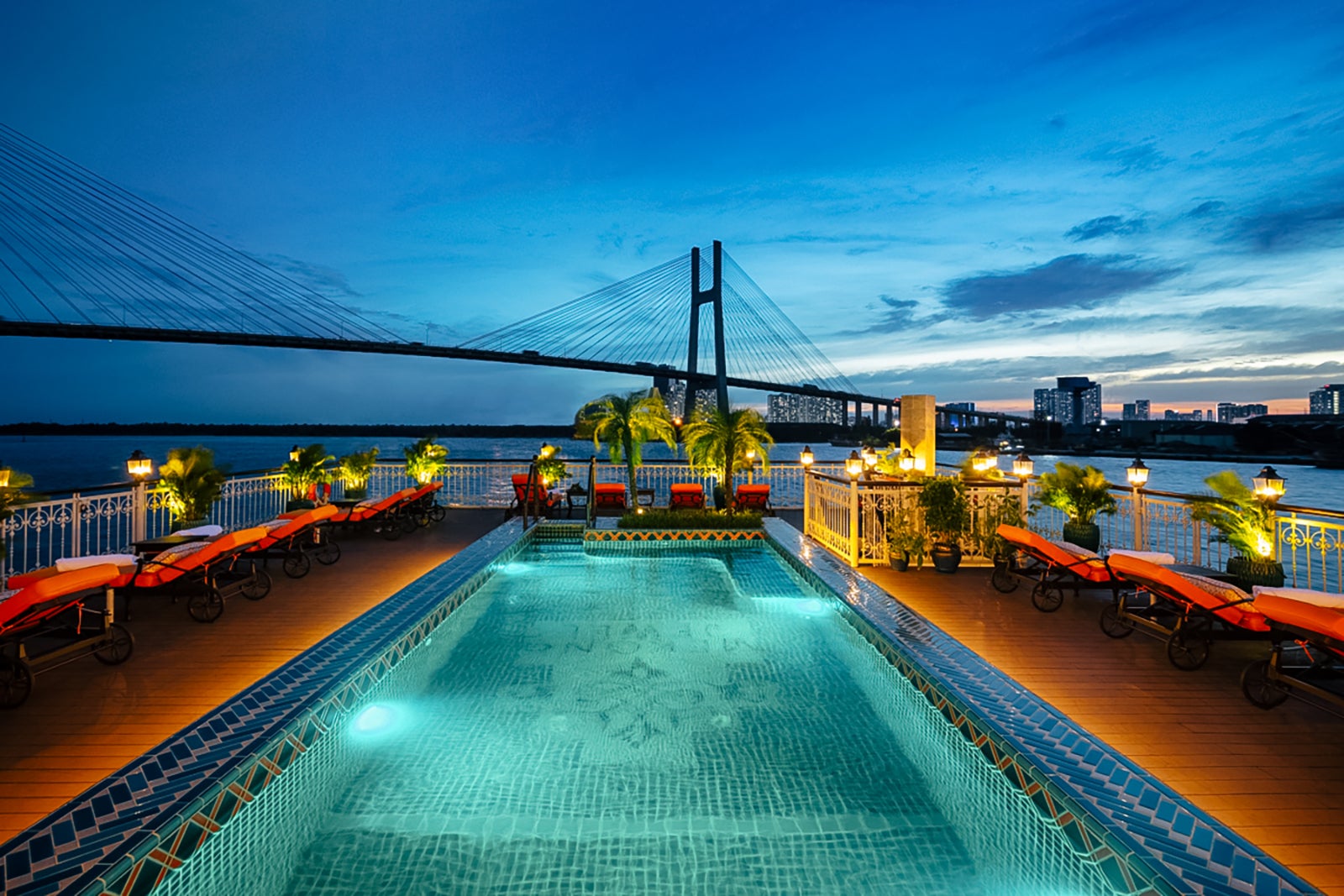
The Mekong River is often the preferred route for travelers exploring Southeast Asia along the river. The seven-night itineraries typically wind through Vietnam and Cambodia, with some flights extending to Laos.
When it comes to Mekong River cruises, there’s no shortage of options—from adventure-style adventures to comfortable floating hotels. Operators include:
- Armagh Channel
- water adventure
- Avalon Waterway
- Croisi European Cruises
- Emerald Cruises
- pando
- Scenic luxury cruise
- Uniworld Boutique River Cruise
- vikings
When it comes to luxury, Aqua Expeditions leads the way with Aqua Mekong, a stylish teak and glass ship that offers exceptional service, exquisite cuisine and guided tours led by professional naturalists and historians. Uniworld and Scenic also offer a luxurious, all-inclusive feel, with gorgeous interiors and carefully curated daily tours.
AmaWaterways, Viking and Avalon offer a more classic river cruise experience—comfortable, sophisticated and tailored to North American tastes. As one of Asia’s most established operators, Pandaw has teak boats and deep regional expertise to deliver a more atmospheric and immersive experience. If you want a more affordable option, France’s CroisiEurope and Emerald Cruises cruises cover the cultural essentials – from floating markets to remote riverside villages – without sacrificing charm.
Red River and Halong Bay
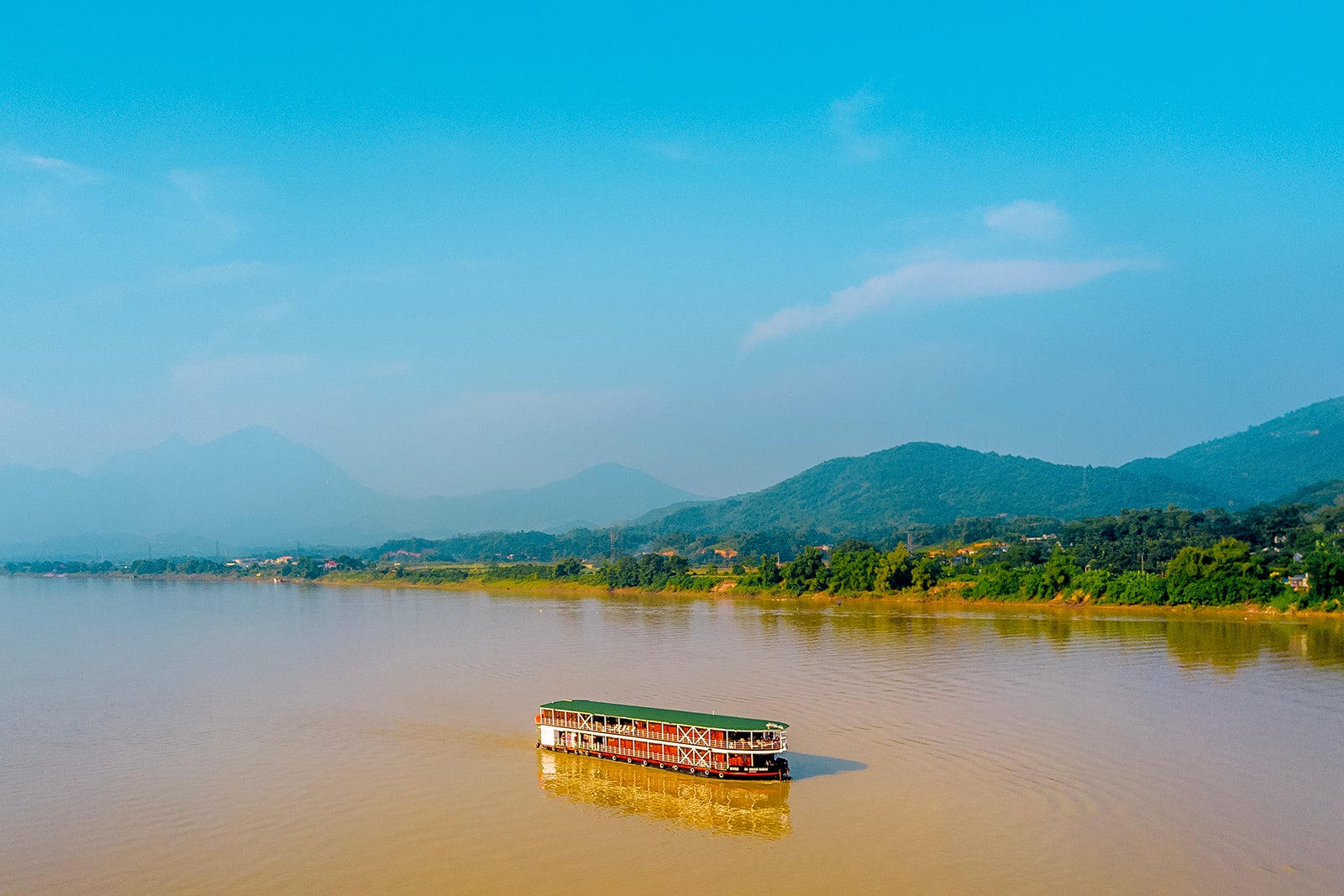
For a more off-the-beaten-path river cruising experience, Vietnam’s Red River is an alternative to the Mekong. Pandaw is currently the only itinerary on this route, and its itineraries begin in the otherworldly atmosphere of Ha Long Bay – a striking UNESCO World Heritage Site. By 2026, Pandaw will further expand its operations, with two shallow-draft vessels sailing into the heart of northern Vietnam and stopping at inaccessible villages along the Red River.
Avalon Waterways also offers a two-night Halong Bay extension as part of its longer land and river itineraries, giving guests the opportunity to experience the bay’s ethereal beauty before or after a Mekong River cruise.
Ganges and Brahmaputra rivers and the backwaters of Kerala
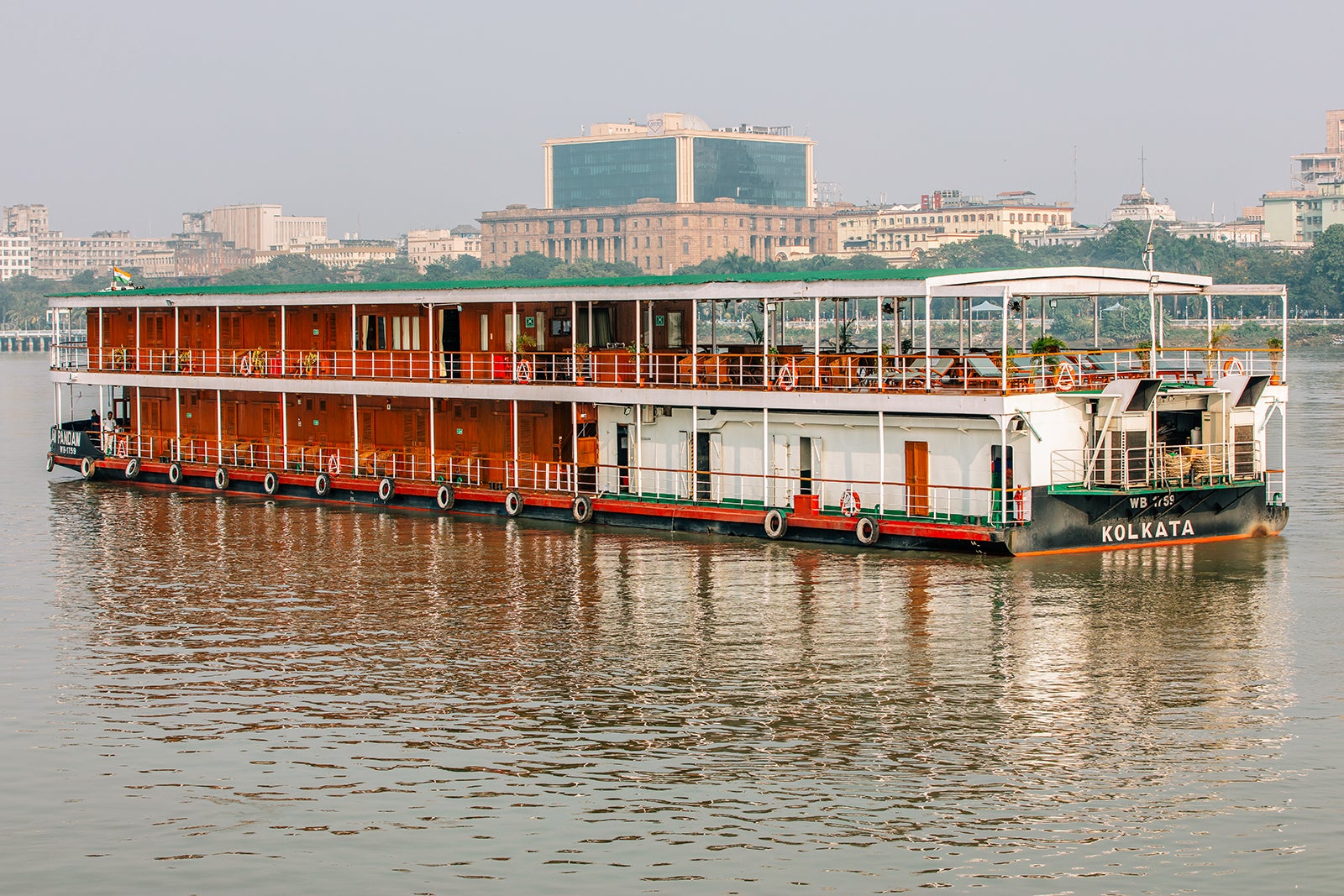
Pandaw Cruises dominates India’s rivers, building small luxury cruise ships for shallow waters. Its open-deck teak boats sail the Ganges, the wildlife-rich Brahmaputra and (newly) the tranquil backwaters of Kerala, providing the most comprehensive coverage in the region.
Uniworld is the only international luxury river cruise company operating on the Ganges, bringing its signature all-inclusive services, luxurious interiors and carefully curated excursions to one of India’s most spiritual waterways.
Yangtze
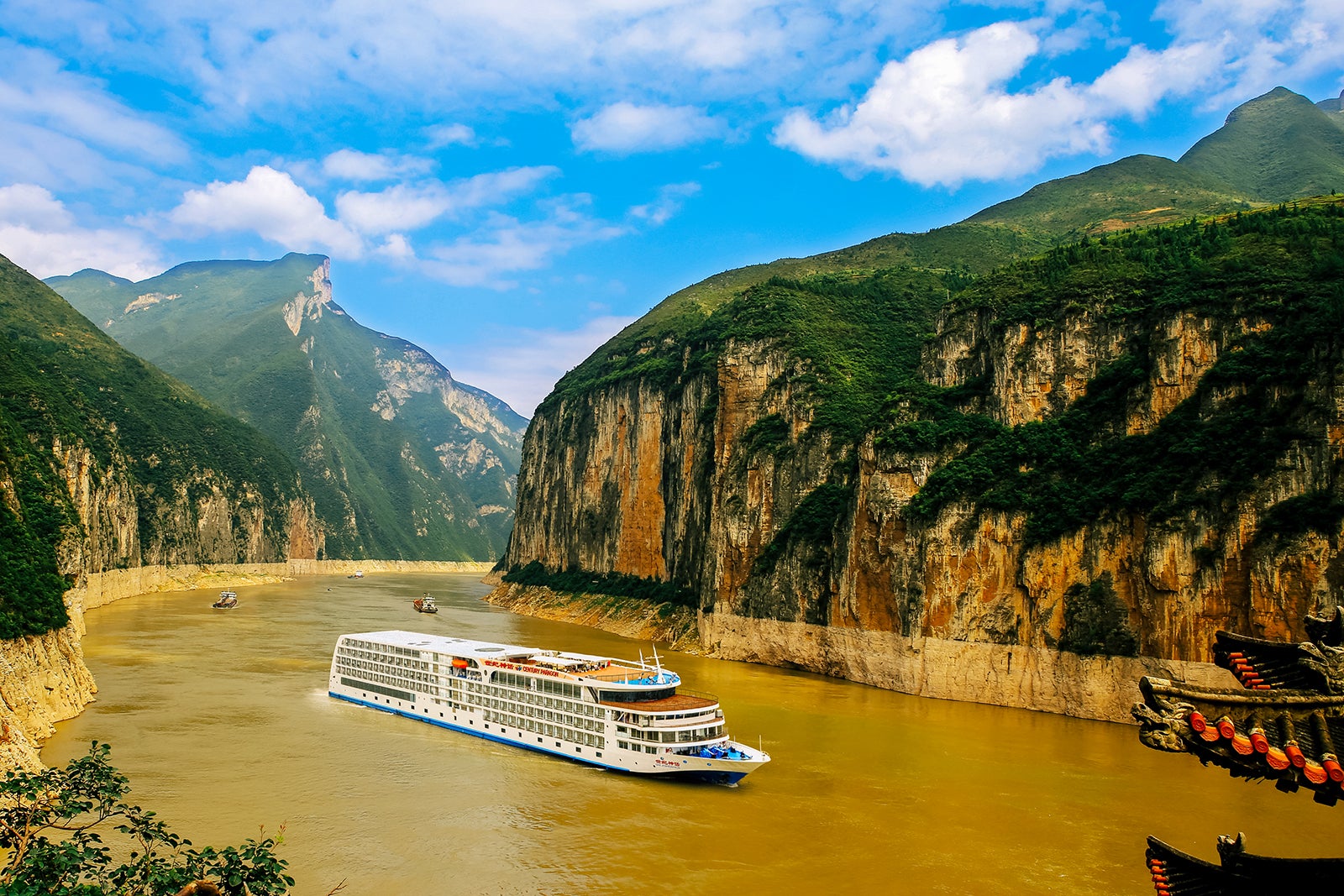
China’s Century Cruises is a leader on the Yangtze River with more than 30 years of experience. Its newest fleet of eco-friendly luxury cruise ships – including Century Glory, Century Victory, Century Oasis and Century Voyage – blend traditional features with seamless service.
Victoria Cruises is another major player on this route.
How long does a river cruise take?
Most Mekong River cruise itineraries are 7 to 10 days long, with the option to add pre- and post-cruise land tours in cities such as Ho Chi Minh City or Hanoi, Vietnam, or Siem Reap, Cambodia. AmaWaterways offers an eight-day Mekong River cruise between Ho Chi Minh City and Phnom Penh, while Viking Cruises’ spectacular Mekong River cruises also include an eight-day river cruise aboard its new ship, Viking Tonle, with guided land stays in Hanoi, Siem Reap and Ho Chi Minh City.
Yangtze River cruises in China are typically longer, often two weeks or more, and include overland travel to major cities such as Beijing, Xi’an or Shanghai.
bottom line
When it comes to Asia, start with the iconic Mekong, Ganges and Yangtze rivers, home to rich culture, unforgettable scenery and immersive history. But don’t stop there. River cruising in Asia is not just about where you go, but also how you experience it. There is always more to explore beyond the beaten path.


