

In less than three weeks, Americans will prepare turkeys, welcome out-of-town guests and prepare Black Friday shopping lists.
But if things don’t change soon, millions of people could find themselves in the middle of a massive travel headache.
The Federal Aviation Administration on Friday began limiting the number of flights airlines can operate as the government shutdown strains already short-staffed air traffic controllers, who have been without pay for weeks.
The cancellations will affect one in 10 flights at dozens of the country’s busiest hubs by late next week, potentially grounding thousands of flights a day.
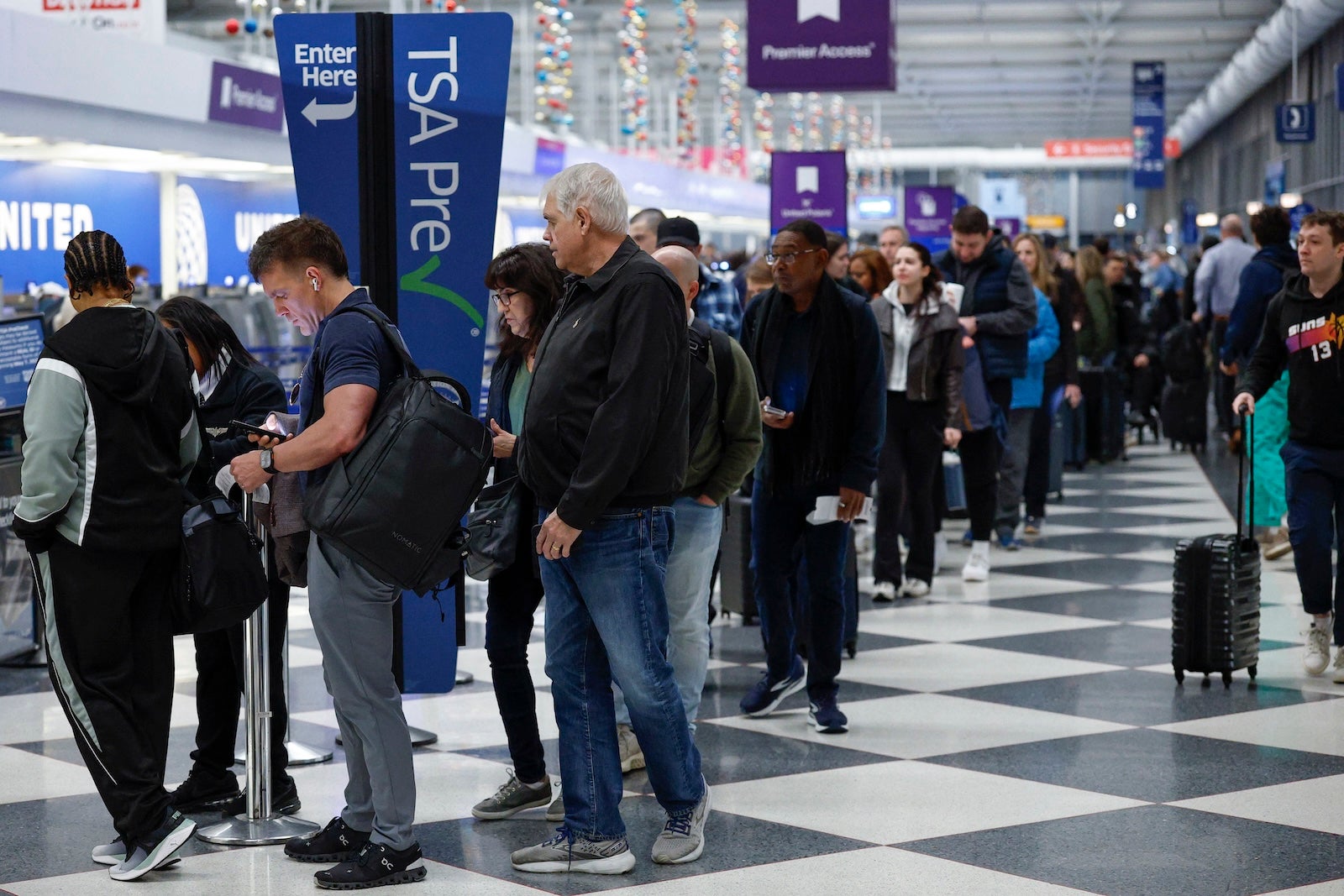
Then there are scenes like the one we saw in Houston earlier this week, where TSA (also unpaid) absences resulted in three-hour lines at George Bush Intercontinental Airport (IAH).
Read more: How every airline is handling flight cuts starting Friday: What to know
Airlines, meanwhile, expect a record 31 million passengers to fly on Thanksgiving Day 2025, after a summer that saw eight of the 10 busiest days ever at U.S. airports amid concerns about travel demand.
The head of the nation’s top air traffic controllers union warned this week that this year’s Turkey Day travel rush could cause chaos at airports if the government shutdown and weeks of additional unpaid work by Transportation Security Administration and FAA workers continue.
“I can’t even predict the impact this will have on the entire country,” Nick Daniels, president of the National Air Traffic Controllers Association, told CNBC on Wednesday.

Reward your inbox with the TPG daily newsletter
Join over 700,000 readers and get breaking news, in-depth guides and exclusive offers from TPG experts
“A three-hour line at TSA will be the least of our worries,” Daniels added.
It may be too late for a smooth Thanksgiving
A trade group for the largest U.S. airlines said that as of Friday, 3.5 million travelers had felt the impact of flight delays or cancellations caused by the longest government shutdown in history.
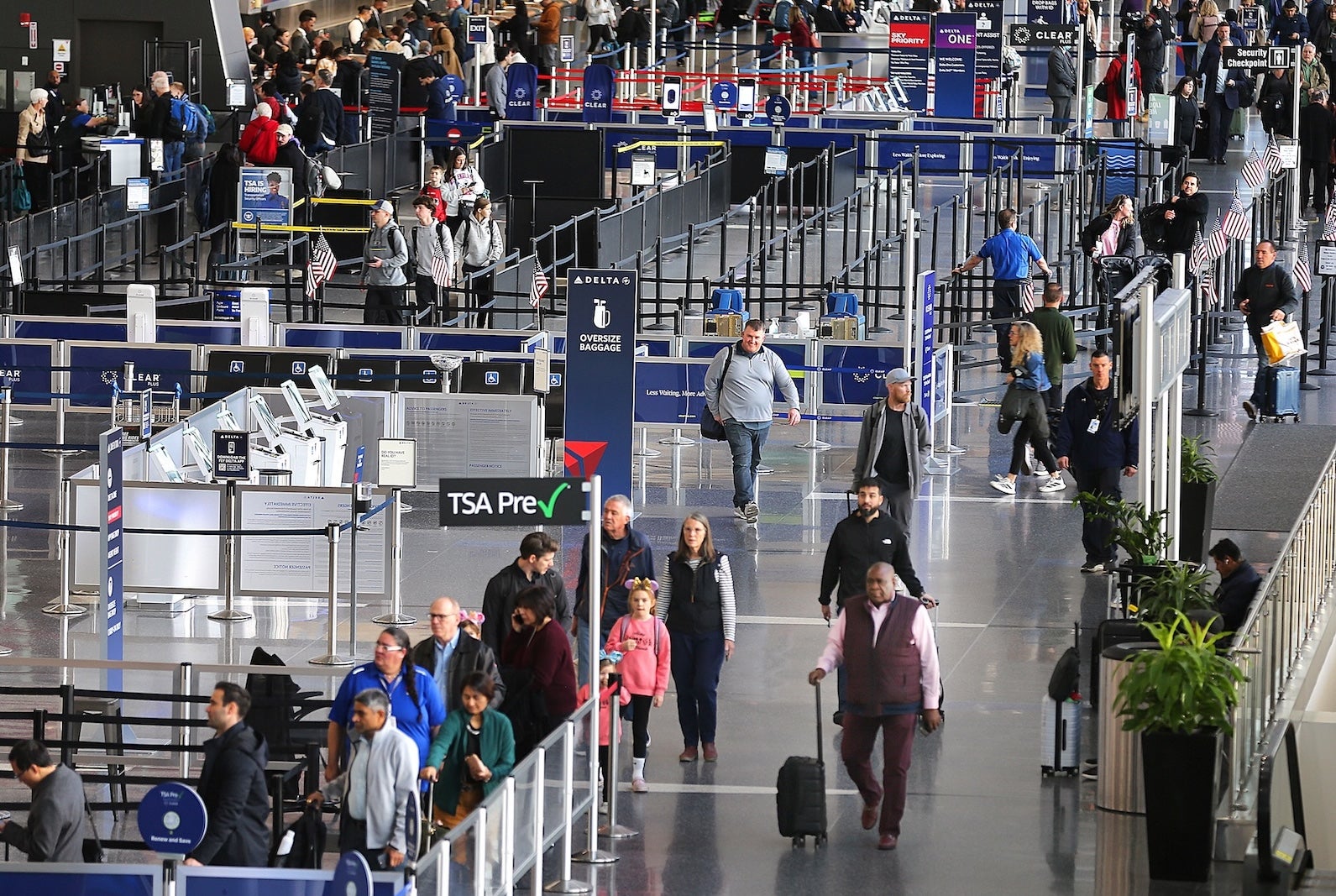
That number is expected to grow rapidly as airlines implement FAA-ordered flight reductions to ease the burden on increasingly strained air traffic control centers.
“We are pleading with Congress to act with utmost urgency to reopen the federal government,” American Airlines said in a statement Friday.
But experts warn that even if the shutdown ends soon, it may be too late for airports to get through Thanksgiving successfully.
“There should be a little boomerang effect,” said Margaret Warren, an air traffic control professor at Embry-Riddle Aeronautical University who offered a glimmer of hope.
“But with the holidays coming up, there’s going to be some impact,” she said. “We’re just trying to recover.”
What to do if you’re traveling for Thanksgiving
At this time, it’s too early to determine how much impact the closures will have on the upcoming holiday season.
After all, much depends on how long Congress remains in gridlock.
With that said, here are our top tips for dealing with an unusual holiday at the airport
Book a direct flight or a longer connecting flight
If I were still booking flights for Thanksgiving, my goal would be a nonstop flight.
If a connection is required, I would opt for a layover of a few hours, which provides a safety net in case your first flight is delayed.
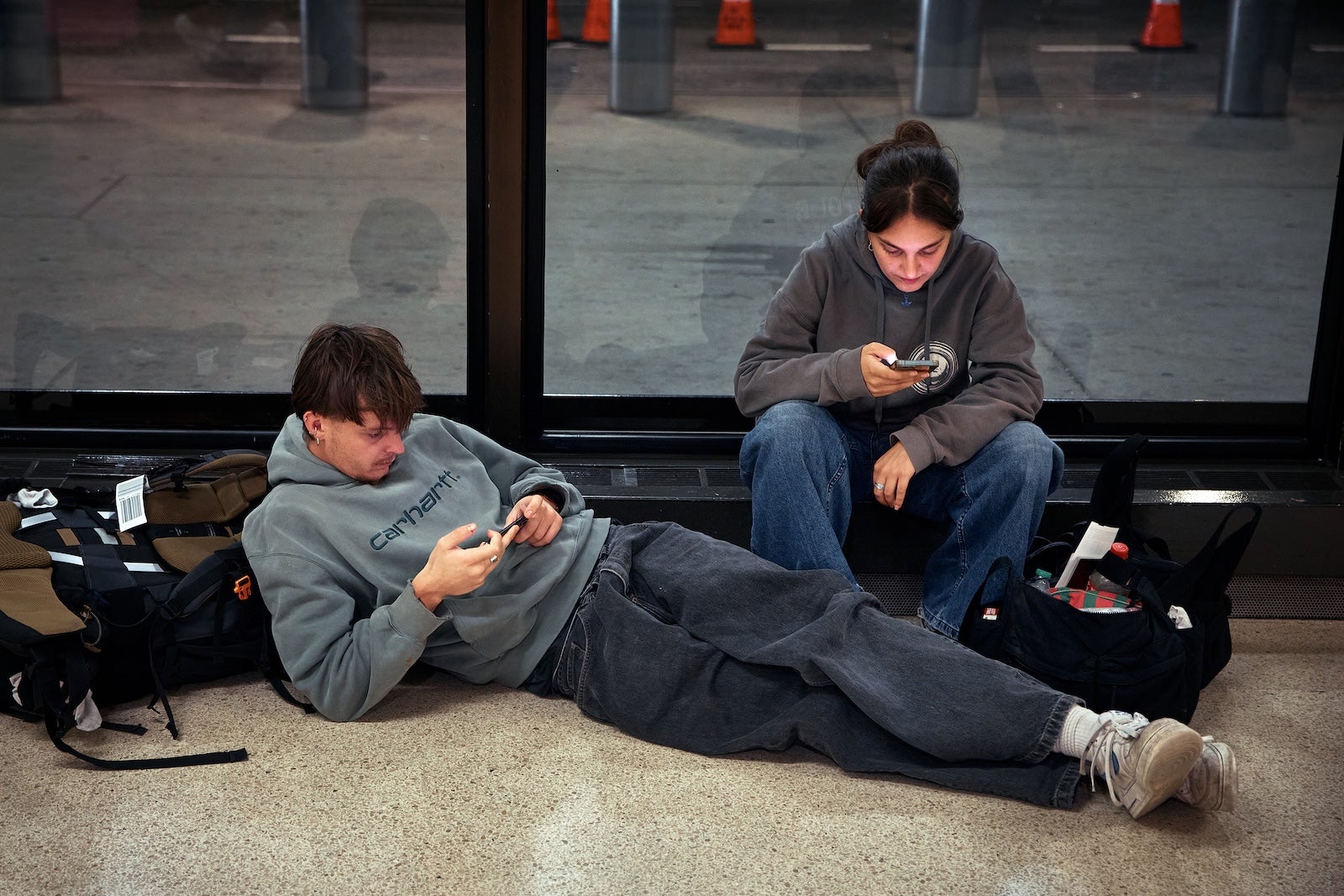
After all, while there had been hopes the FAA would reduce delays by limiting the number of flights, Warren doesn’t think late departures will go away.
“I think we’re all going to see both,” she said. “They may move some flights to less peak times. And some [flights] It just has to be temporarily absent. “
It’s better to sit in a lounge or airport restaurant for a few hours than wait on the taxiway for 50 minutes to avoid missing your connecting flight.
Arrive at destination early
Speaking of closing, I would avoid flying out at the last minute to a big family gathering that you need to attend.
Anticipate disruptions and see if you can allow some extra time between your arrival and the big event.
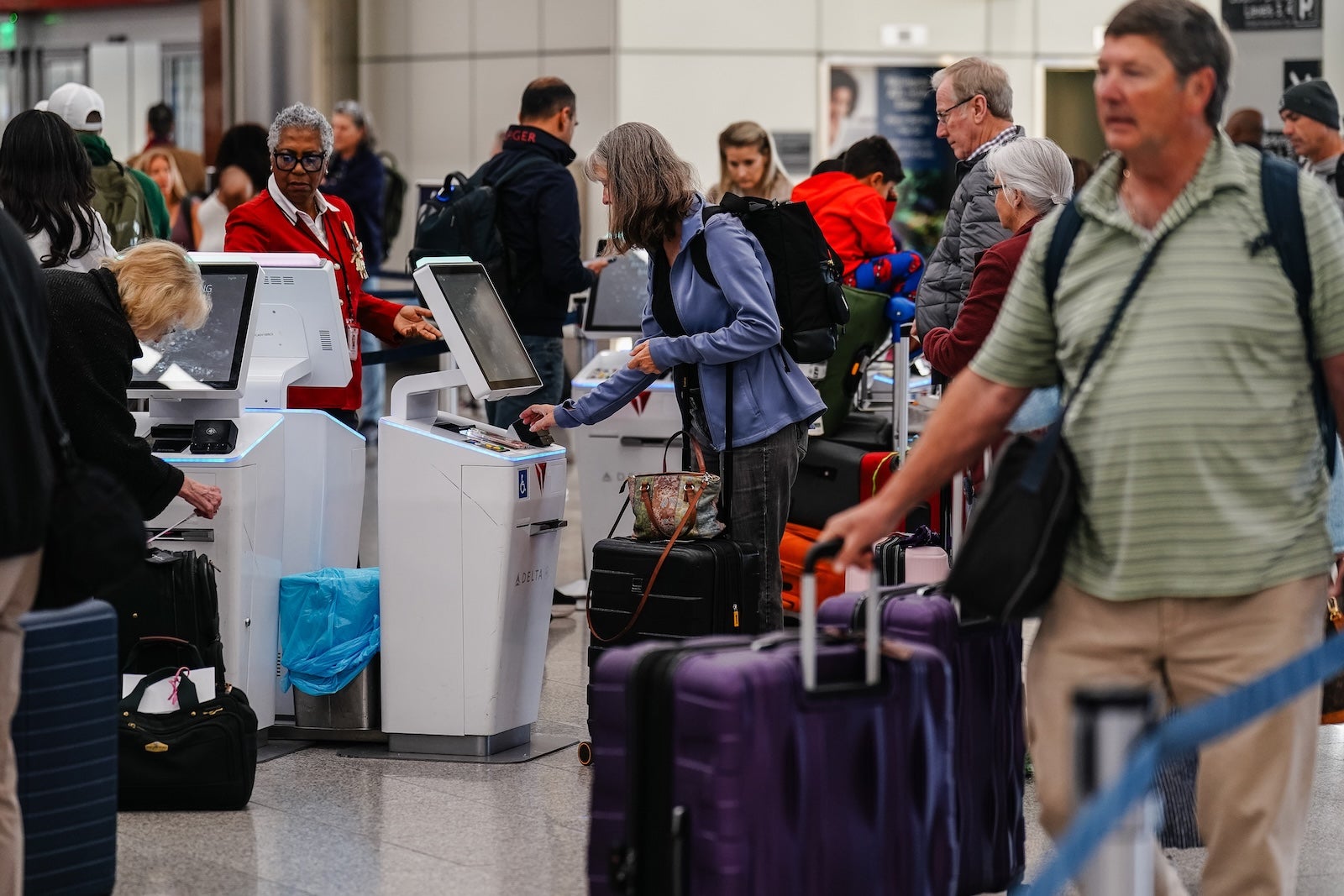
Keep in mind that many airlines have issued flexible travel exemptions that are expected to last through the closure period. If the government is still closed as Thanksgiving approaches, you may be able to adjust your schedule.
Avoid the busiest travel days
This year it’s best to avoid flying home on the Sunday after Thanksgiving, which is typically the busiest travel day of the year and set an all-time record for U.S. airport passenger traffic in 2024 (the record was later broken on June 22 of this year).
Airlines expect Monday, December 1, to be the second busiest day of the peak travel period.
Is it easy to travel on Türkiye Day? Thanksgiving 2024 is the quietest day of the year at airports across the country. Obviously, skydiving on Thanksgiving morning is the opposite of arriving at your destination early…but it’s one way to avoid the biggest crowds.
Book with a credit card with travel insurance (but read the fine print)
I also use a credit card with travel insurance protection to book travel. This may help you recoup the cost of an unexpected hotel stay or meal out if you’re stuck.
However, please note that some cards may not cover disruptions due to closures. Terms vary with each card and policy, so read the fine print carefully.
Use TSA procedures that save time and effort
Consider signing up for a time-saving plan to help you get through security checkpoints, as we’ve seen hours-long wait times at one major hub airport this week. Like air traffic controllers, TSA officers work without pay.
Clear can help you get in line at the TSA checkpoint. The annual fee is more than $200, but some credit cards reimburse the annual fee.
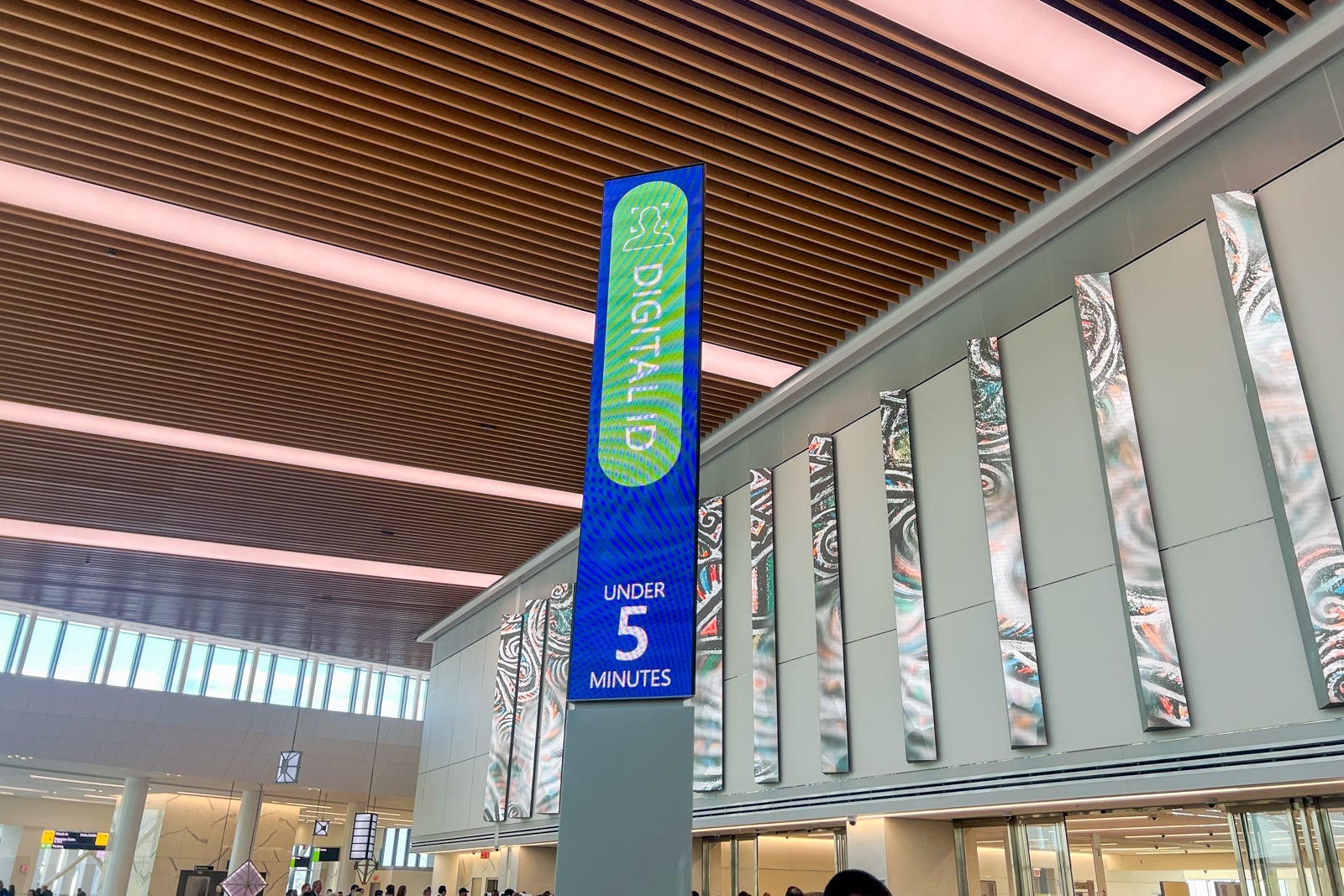
In addition, the new TSA PreCheck contactless ID program is being implemented at an increasing number of airports and is one of the most time-saving programs available. You need to register with your airline profile before your flight takes off. Below is a complete list of airports that offer this service.
Do your part to keep TSA checkpoints open
Ultimately, every TSA line will run faster if we each do our part to keep things moving.
This means following the 3-1-1 liquid rule and having a REAL ID or approved alternative (like a passport) ready.
A glimmer of hope? It will be the first holiday where travelers won’t have to take off their shoes at airport security.
Related reading:


