

Reading more is one of the best investments you can make in your life. Every book you read increases your knowledge and motivation, and contrary to popular belief, it makes you more likely to take action (not less).
Last year, I read 105 books. I have a few advantages that help me reach this number: reading is part of my job, I’ve read a lot, and while I don’t read fast, I read at a really good speed.
But even if you don’t have these advantages, I believe anyone can read a book a week as long as they make it a goal and put in the effort. To that end, I want to offer nine strategies that have worked for me:
1. Always have a book. It better be good.
You can’t read a book you don’t have. At our fingertips is an inevitable deluge of videos, news, text messages and social media posts. But for most of us, the number of books at our fingertips that we’re actually interested in reading is usually zero.
The first way to solve this problem is to install an e-reader app on your phone and load the book. If you’re worried about cost, you can borrow books from the library or choose public domain books. If you prefer paper, then decide to carry a paper copy with you in your bag every day.
Owning a book does not guarantee that you will read it, but it is a prerequisite.
2. Have all three types of books available.
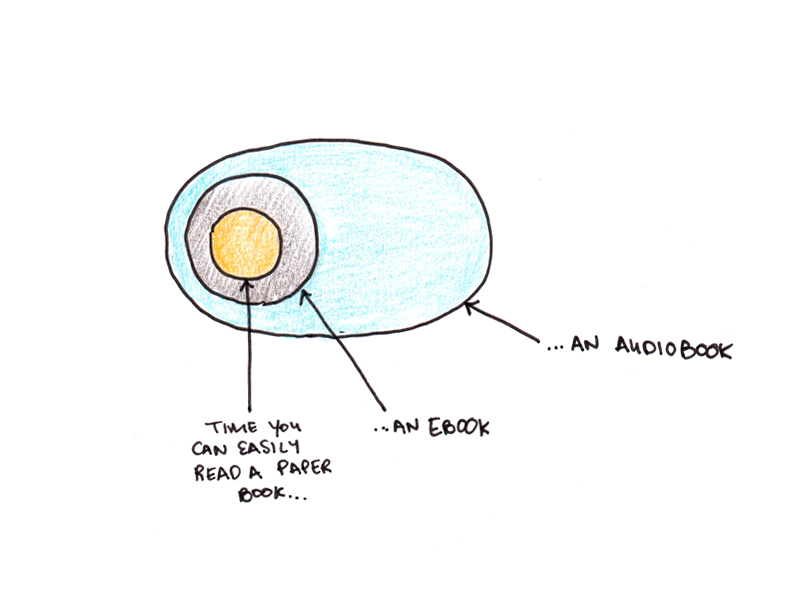
I always carry at least one of the following with me: paper book, audiobook, and e-book. Sometimes there are multiples of each.
While listening to a book is different from reading, and the screen and page feel different, the advantage of multimodal reading is that it allows you to read in more situations. I can listen to audiobooks while doing the dishes, but can’t easily read a paperback while doing housework. I can read a few pages of an e-book while waiting in line at the bank, but I’m unlikely to pull out the hardcover.
3. Don’t read every book.
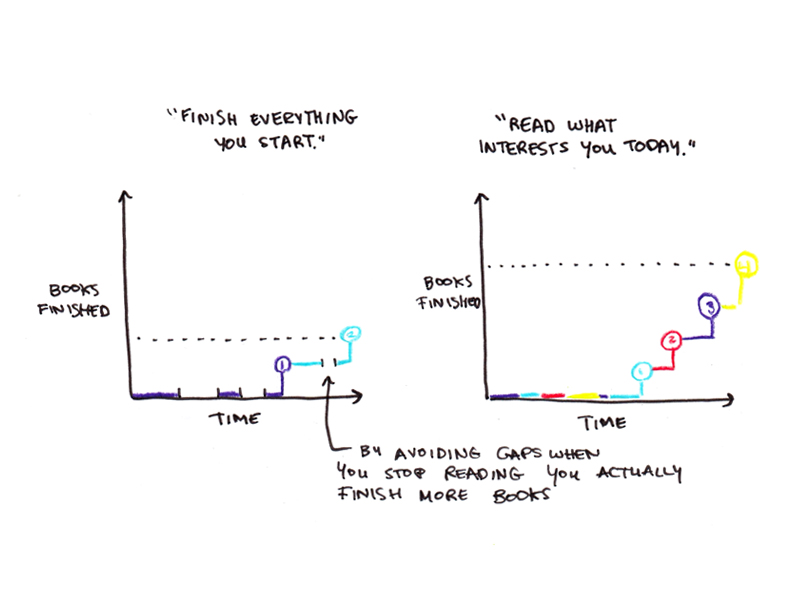
Often the biggest obstacle to reading more books is losing interest in a book but still telling yourself you’re going to finish it. It’s sitting on your nightstand collecting dust while you binge-watch Netflix shows.
Let go of the need to read every book and instead focus on reading the books you are truly eager to read.
4. Delete social media apps from your phone.

Most people I’ve shared the “always have a book” strategy with have trouble getting a lot of reading done on their phone. The reason is simple: they have too many alternatives that require less cognitive effort: social media, the news, etc.
If you ditch those apps and stick with your Kindle, you’ll get more reading done in your free time when you have your phone but no books.
5. Read before going to bed. (You’ll sleep better, too.)
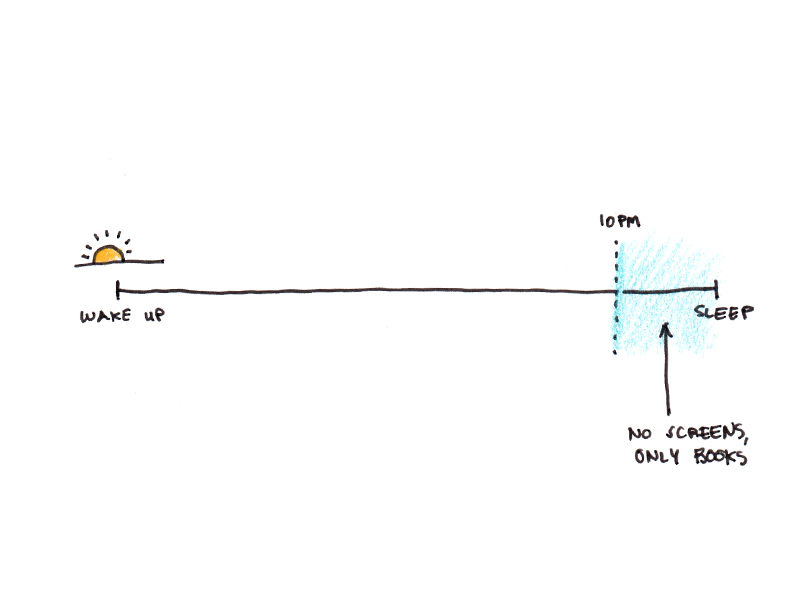
Many people who took our Basics Challenge last year dramatically improved their reading and sleep through one habit: aim to read for fifteen minutes before bed.
This automatically creates reading time each day (which adds up), but it also encourages you to go to bed earlier than staring at a screen.
6. Build an “anti-library.”
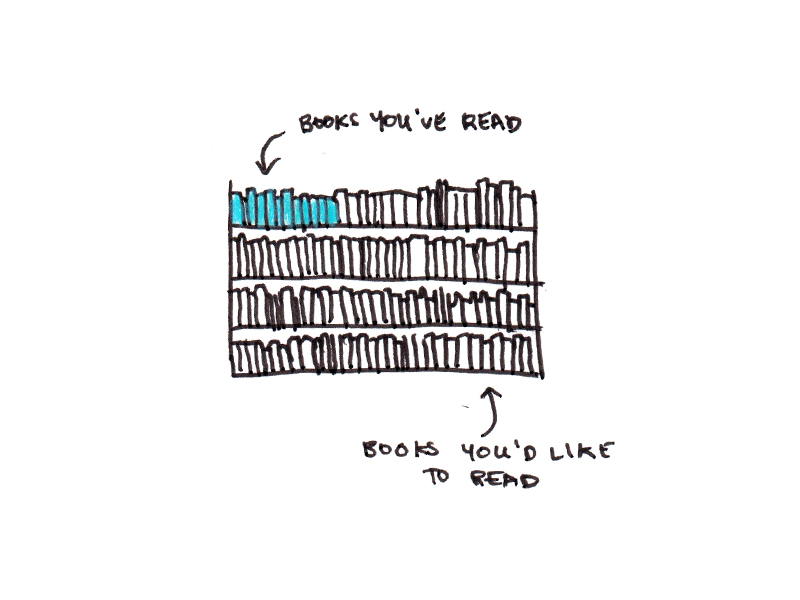
Most people’s bookshelves are filled with books they have read. Instead, the Italian scholar Umberto Eco kept a counter-library—shelves filled with books he hadn’t read yet.
Making a long list of books you haven’t read yet but want to read can inspire you to read more. This can be a physical bookshelf filled with interesting books you haven’t read yet, but it can also be a digital “to-read” list filled with suggestions.
7. Design a reading project.
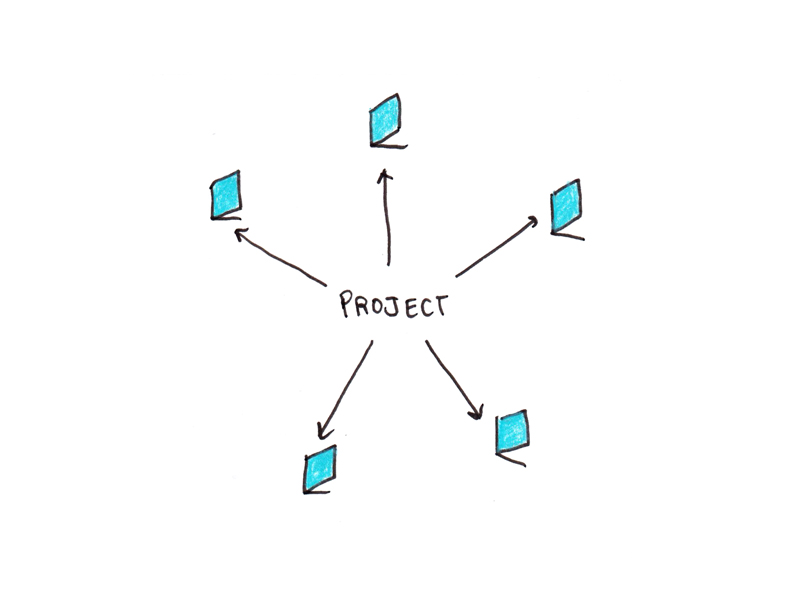
If I read purely because I found each book interesting, I would read half or a third as many books as I do now. Instead, most of my reading is project-based. I decide on a topic that I want to deepen my knowledge on and then build a reading list around it.
Ask yourself what interests you. Then find a list of good books on the subject online (or ask about AI) and commit to reading a few books from that list.
The beauty of reading projects is that the motivation to master a topic is often greater than the motivation to complete any particular book. Additionally, reading only one or two books on a topic often leaves you with a rather superficial understanding of it. Deeper insights often emerge only after reading several books that examine the topic from different, credible perspectives.
8. Talk about books with friends.
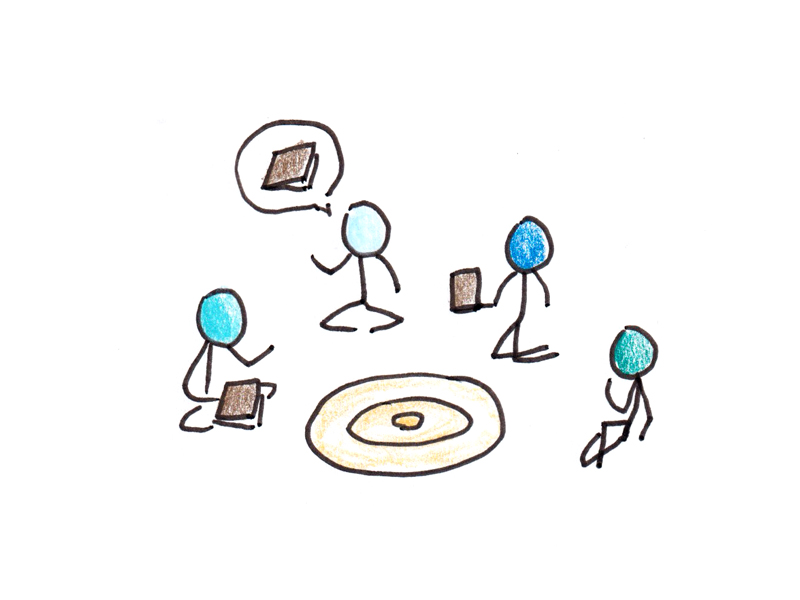
Sharing what you learned from a book is one of the best ways to motivate yourself to keep reading. Formal book clubs are an obvious way to capitalize on social motivation, but so can informal chats with book friends, especially if your interests overlap. You can exchange insights from different books, thereby adding to each other’s recommendations.
If you don’t have avid readers around you, posting brief notes and reading reflections on social media might be a good habit to develop. It holds you accountable and forces you to reflect on what you read.
9. Think of yourself as a reader.
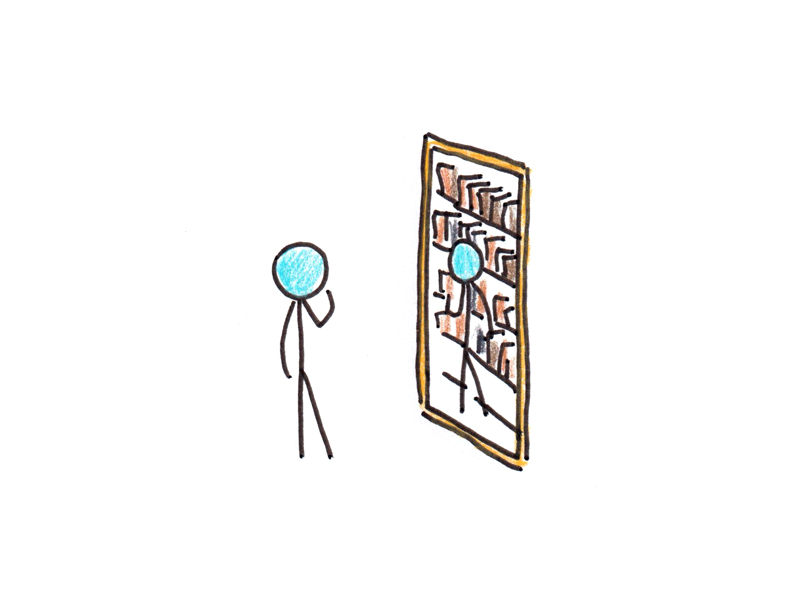
Reading a book a week may sound daunting. Depending on how many books you’ve read now, this might even seem impossible.
Ultimately, reading is like any other habit: it begins with a change in behavior, but it is sustained by a change in identity. If you think of yourself as a reader—someone who reads a lot of books for fun and curiosity—then you will become a reader.
The problem with reading is not how fast you read, how you take notes, or the “correct” technique. Rather, it’s about motivation and training: wanting to be the kind of person who reads a lot of books and develops the mental ability to stick with it. If you can think of yourself as someone who reads a book a week, you’re at least halfway there.


