Have you ever created a hot interaction in an eLearning course and wanted it to be more engaging? The good news is that you can now add audio to hotspot callouts in Adobe Captivate 13, and it’s easy!
Why add audio to a hotspot?
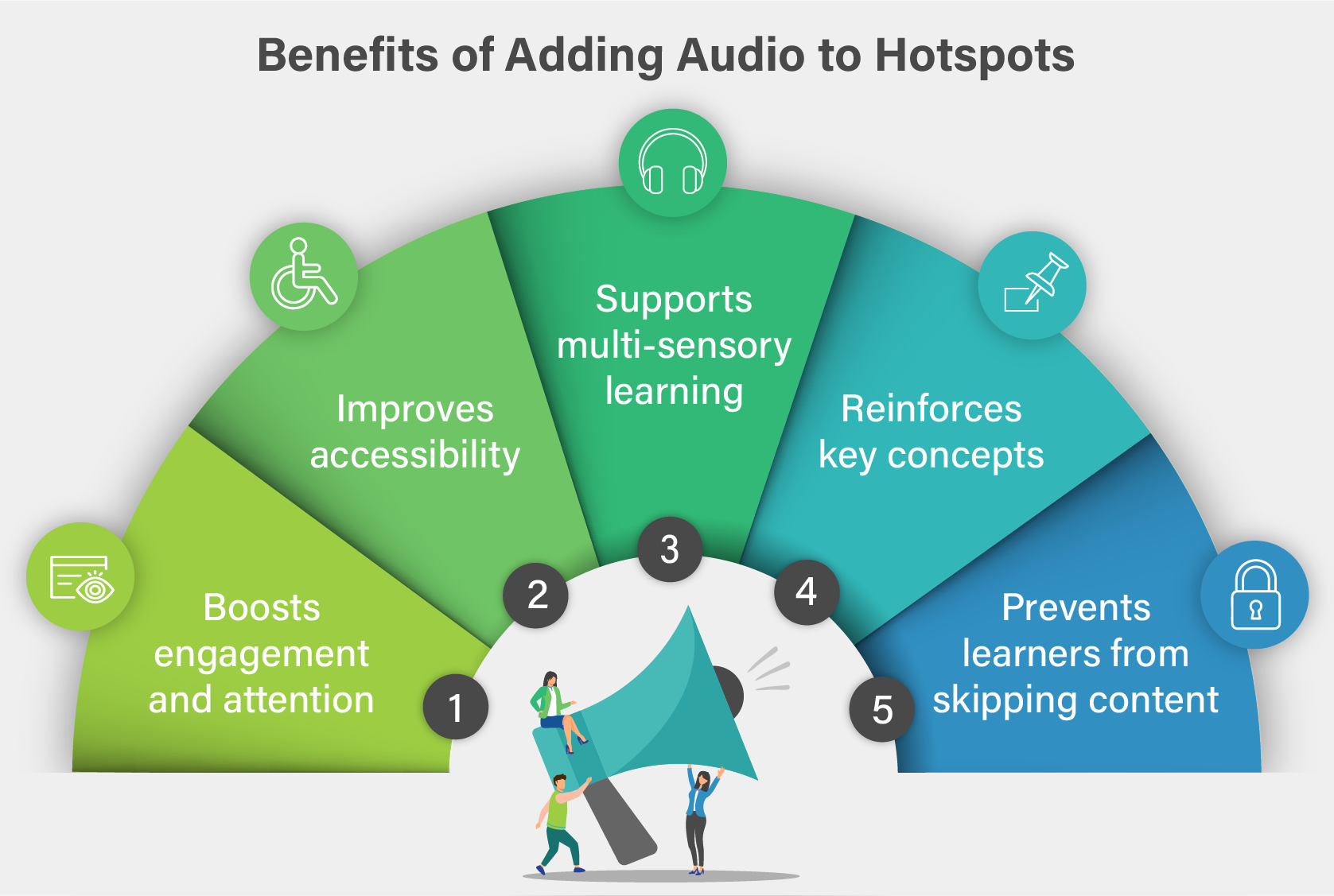
Before we get into the “how,” let’s talk about the “why.” Adding audio to hotspot interactions can make your courses more engaging and accessible. Learners can not only read the text but also explore different areas of the content while listening to explanations. This multi-sensory approach helps enhance learning and keep students engaged.
what do you need
You’ll need Adobe Captivate version 13 (the latest version at the time of writing) and some prepared audio files. These can be simple recordings explaining each hotspot area.
Create your hot interaction
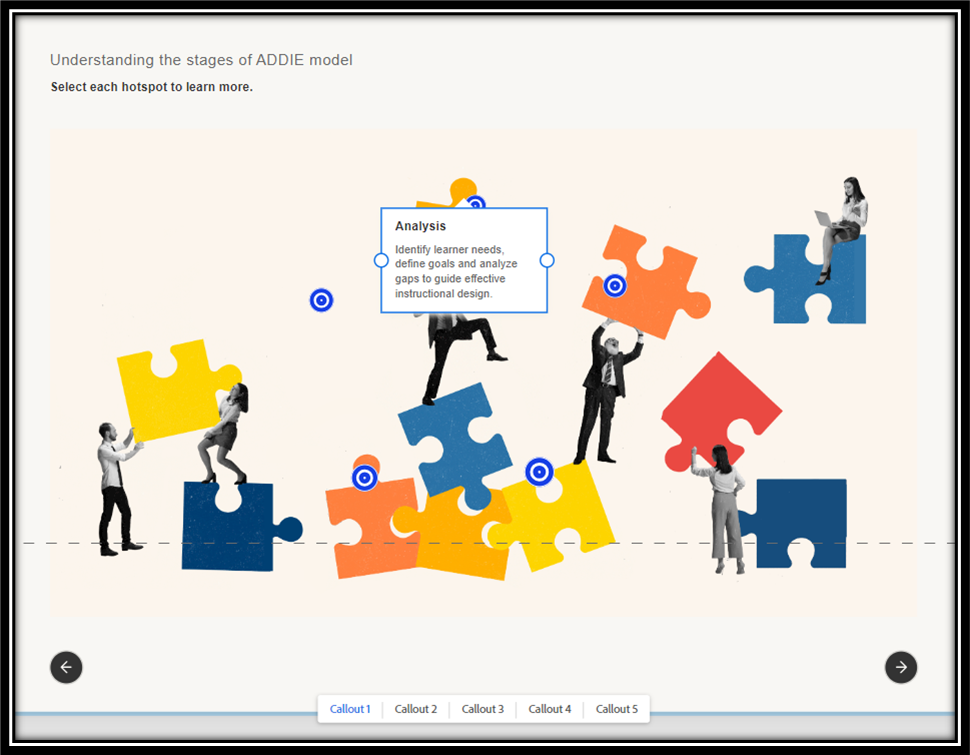
Let’s look at a practical example. Imagine that you are creating a course on the ADDIE model – the five phases of instructional design: analysis, design, development, implementation, and evaluation. You want learners to click on each stage and hear the explanation.
First, set up basic hotspot interactions with all five callouts on the slide. Make sure each hotspot is clearly labeled and easy to click.
Adding audio: step by step
This is where the magic happens and trust me, it’s much simpler than you think.
For your first hotspot: Click to select the first label. Find the interaction icon and click Add Interaction. You will see the “Play media” option – expand this option. Now, browse to the location on your computer where you saved the first audio file, select it, and click Open. Then press “Done”.
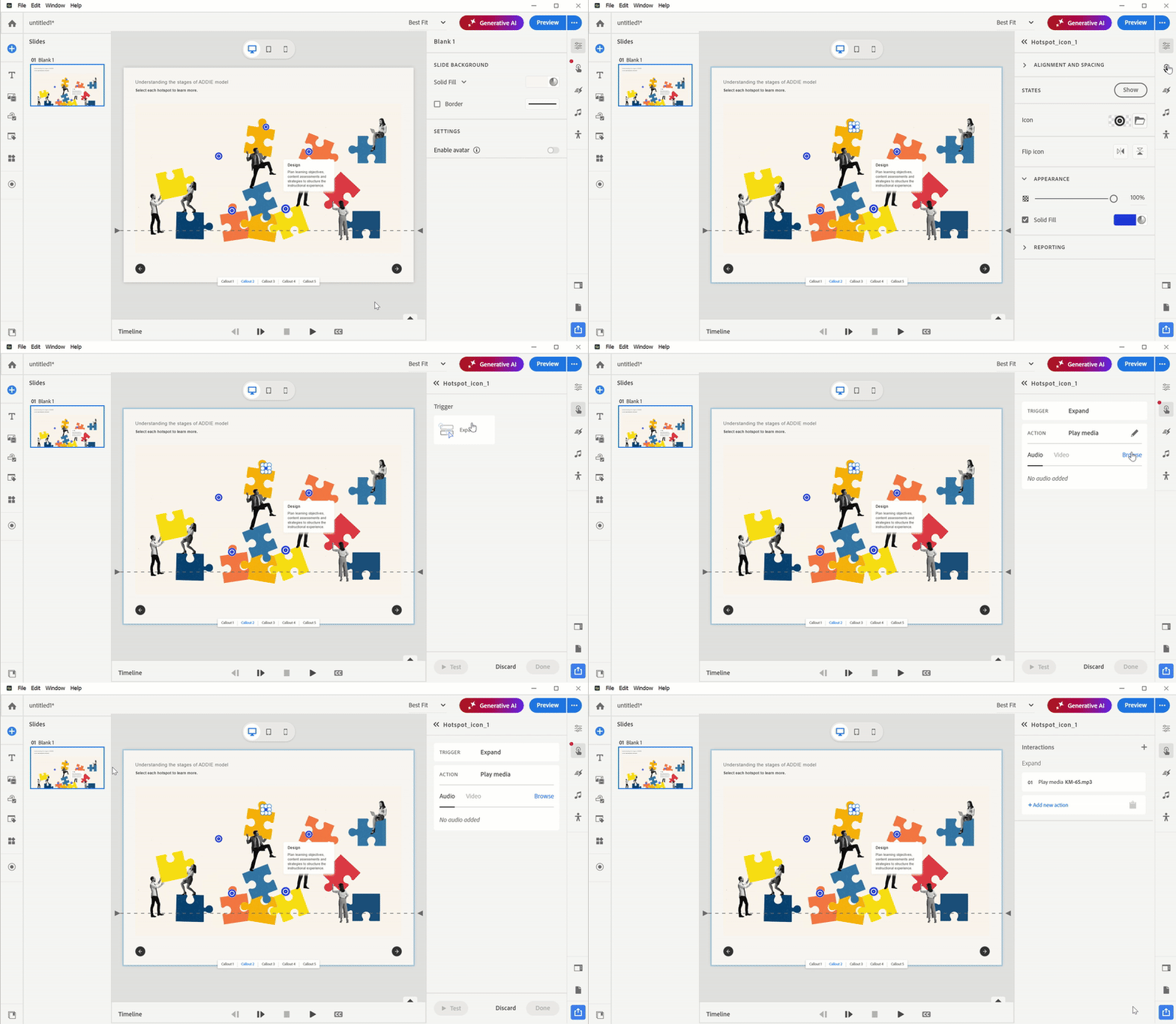
For remaining hotspots: Repeat the same process for every other hotspot. Select the hotspot, click the interaction icon, add an interaction, select Play Media, browse to your audio file, and open it. It’s that simple!
Helpful tip: Before adding audio, click on each callout to make sure the correct callout is selected. This prevents clutter, especially if you have multiple hotspots close by.
How it works for learners
After adding audio to all hotspots, your learners will experience:
When they click on the “Analyze” hotspot, they might hear: “Identify learner needs, define goals, and analyze gaps to guide effective instructional design.”
Click Design: “Plan learning objectives, content assessments, and strategies to structure the teaching experience.”
And so on for each stage. As they expand each hotspot, audio automatically plays, creating a smooth guided learning experience.
Smart functions
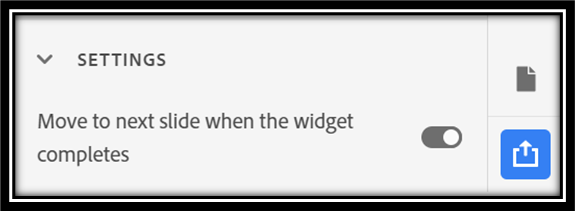
One particularly useful aspect of the Adobe Captivate Hotspots widget is that you can set it up so that learners must click on all hotspots before they can continue. The Next button will remain disabled until they have explored each area. This ensures they don’t skip important content – they can only continue after clicking on the final hotspot and hearing all the information.
best practices
Keep your audio clips simple and concise. Each explanation should be long enough to convey the necessary information, but short enough to maintain attention. Think about each hot spot for 10-15 seconds. Make sure your audio quality is good.
Position your hot spots thoughtfully. In the ADDIE example, arranging them in a loop makes visual sense because this is a cyclic process.
final thoughts
Adding audio to hotspot callouts turns simple point-and-click interactions into engaging multimedia experiences. It’s a small change, but one that can have a big impact on how learners interact with your content.
The best part? You don’t need to be a tech wizard to achieve this. If you can click a few buttons and select files from your computer, you can add audio to your hotspot.
So next time you build a hotspot interaction, take the extra step and add some audio. Your learners will thank you for it, and you’ll create a more professional and polished eLearning experience.
Remember, good eLearning isn’t just about providing information, it’s about creating an experience that helps people learn effectively. Audio Enhancement Hotspot is one more tool in your toolkit to achieve this goal.