

This easy lemon pepper marinade takes just about 5 minutes to throw together with simple pantry ingredients and fresh lemon juice. It’s rich, flavorful, and versatile and can be used on chicken, shrimp, vegetables, and even tofu to easily create delicious dishes.
0 calories 0 grams of carbohydrates 0 g fat 0 grams protein
Lemon Pepper Marinade Recipe
This lemon pepper marinade is bright with lots of fresh lemon juice, salty flavor from garlic and Worcestershire, and a hint of dried oregano for herby flavor. I like to mix up a jar on Sunday and keep it in the refrigerator for an easy weeknight meal.
Pour quickly over chicken drumsticks or shrimp before they hit the grill, and suddenly you’ve got restaurant-like flavor with almost no prep required. It’s also great on roasted vegetables, or tossed with potatoes before roasting for a super delicious side!
Since it’s made with everyday ingredients (olive oil, lemon juice, lemon pepper, garlic), you don’t need to go to the grocery store to buy it. Just shake, marinate and cook your favorite protein or veggies just the way you like them. Once you make it once, you may find yourself keeping a jar in the refrigerator “just in case,” like me!
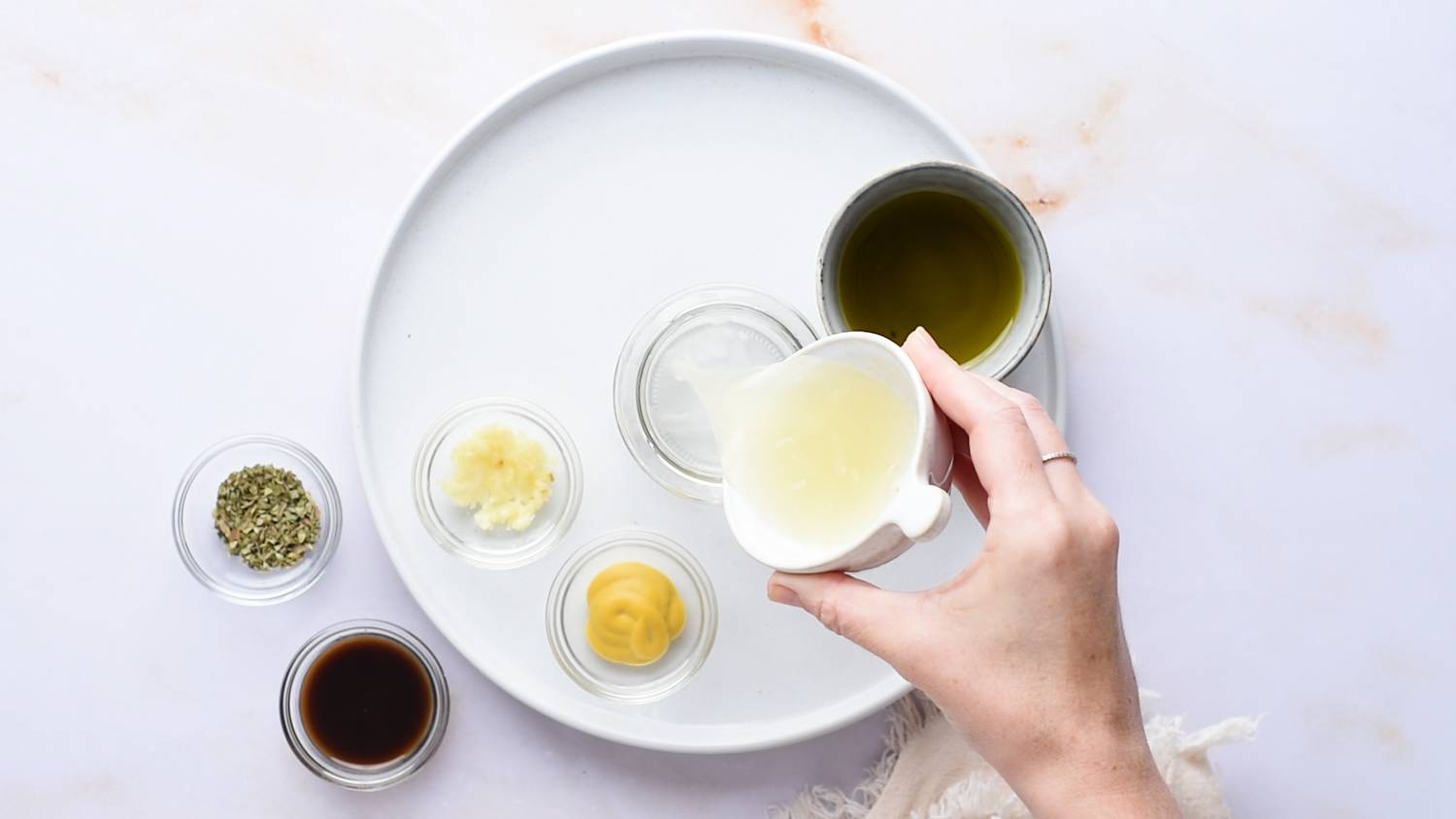
before starting
Here are a few quick things you need to know before making this marinade so that it’s perfectly balanced and ready to use.
- Use fresh lemon juice: Freshly squeezed lemon juice gives you the brightest flavor. Bottled works in a pinch, but fresh really makes this marinade pop.
- Check your lemon pepper: Some lemon pepper blends are very salty, others are mostly citrus and pepper. Taste for your taste and add additional salt only if needed so the marinade isn’t too salty.
- Adjust Dijon: Dijon mustard is optional, but it adds a delicious flavor and helps the marinade stick to proteins or vegetables. If you want a cleaner lemon flavor, you can leave it out.
- Re-stir before use: The olive oil and lemon juice can separate as the marinade sits, especially in the refrigerator. Allow to come to room temperature and shake or stir well before use.
How to Make Lemon Pepper Marinade
Here’s a quick overview of how to throw together this marinade in just a few minutes.
1. Mix ingredients
Combine fresh lemon juice, olive oil, minced garlic, lemon pepper seasoning, Worcestershire sauce, Dijon mustard (if using), dried oregano, and a pinch of salt (if desired) in a glass jar or small bowl.
2. Stir until emulsified
Shake the jar vigorously or stir the mixture until the oil and lemon juice look well combined and thicken slightly. Taste and adjust the seasoning, adding more lemon pepper, a little extra lemon juice, or a pinch of salt if you like.
Recipe Tips and Tricks
Here are the best pro tips for making this marinade work for a variety of potluck meals.
- Balanced Flavor: If the marinade is too strong, add a small amount of olive oil. If the flavor is a bit bland, a pinch of salt or extra lemon juice will usually liven it up.
- Choose your heat level: If you like a little kick, add a pinch of red pepper flakes or a dash of cayenne pepper. It adds warmth without overpowering the lemon and pepper flavors.
- Know your marinating time: For chicken breasts or drumsticks, 30 minutes to 4 hours is enough. Shrimp and delicate fish only need about 15-30 minutes so the acid doesn’t start to “cook” them. Vegetables can tolerate longer soaking times, up to several hours.
- Marinate in a bag or shallow dish: For even coverage, place the protein or vegetables and marinade in a shallow dish or Ziploc bag, pressing out any excess air, then flipping once or twice as it sits.
- Customized flavors: You can add fresh herbs like parsley or basil, a spoonful of honey for sweetness, or a splash of garlic if you like a garlicky flavor. This marinade is very forgiving, so feel free to adjust it to match whatever you’re serving!
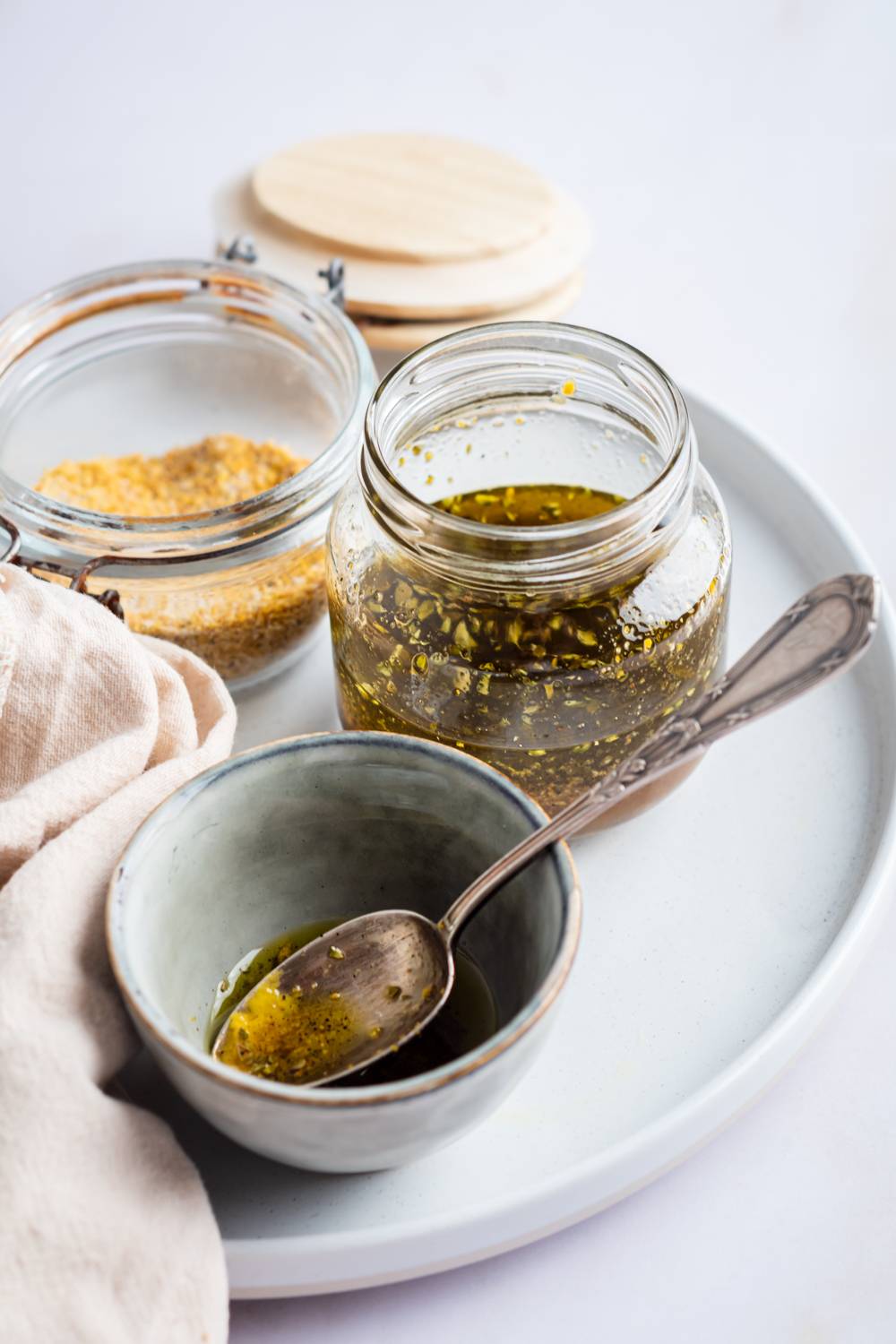
Service concept
This bright, spicy marinade pairs well with a variety of proteins and vegetables. Here are some delicious ways to use it.
- roast chicken: Use it for easy grilled chicken breasts, grilled chicken thighs or drumsticks, then grill or bake until juicy and golden.
- Shrimp and fish: Marinate shrimp, cod, tilapia or salmon for a quick citrus seafood dinner.
- Grilled vegetables: Toss with broccoli, asparagus, green beans or potatoes before baking.
- Tofu or tempeh: Serve with grilled tofu or tempeh chips for a delicious plant-based main dish.
Store and reheat
Here’s how to store and use lemon pepper marinade to keep it fresh and delicious.
- Store in the refrigerator: Place the marinade in an airtight glass jar or airtight container and store in the refrigerator for up to 5-7 days. The oil will separate and may harden slightly; simply bring it to room temperature and shake or stir before use.
- Store in the refrigerator: For extended storage, freeze the marinade (alone or poured over raw chicken) for up to 2-3 months. Thaw in the refrigerator overnight, then shake or stir to remix before use.
FAQ
Here are some of the most frequently asked questions about this recipe:
Is this marinade very salty?
It depends on your lemon pepper seasoning and soy/worcestershire preferences, but this version is centered around lemon and vanilla, not just salt. If your lemon pepper mixture is very salty, start with less and only add additional salt after tasting.
Can I reuse marinade on raw meat?
Can’t. Any marinade that has come into contact with raw meat, poultry, or seafood should be discarded or boiled for a few minutes before being used as a sauce. To be on the safe side, I like to set aside a small portion of the fresh marinade for drizzling before pouring the remaining marinade over the raw egg whites.
Can I use it as a salad dressing too?
Yes. It’s great as a flavorful salad dressing, especially for grain bowls, pasta salads or leafy greens. If you’re using it as a condiment, you may want to stir in an extra teaspoon or two of olive oil and a drizzle of honey to soften the acidity and balance the flavor.
If olive oil is not available, what is the best oil to use?
Any neutral-flavored oil will work. Avocado oil, canola oil, or grapeseed oil are all good options. Keep in mind that extra virgin olive oil adds its own peppery flavor, so if you use a neutral oil, the lemon and seasonings will stand out more.


