

Sharing my hair tissue mineral analysis experience and results.
Hi friends! Are you OK? I hope you’re having a great time so far. Today is administrative work, along with family strength training and breakfast tonight.
In today’s post I would like to share my experience using HTMA as one of the testing tools I have been using. I share more information about my food sensitivity testing here and will be doing another post on my candida, metabolism, and vitamin testing. It was incredible to gain insight into the imbalances caused by mineral deficiencies, especially the eye and autoimmune diseases I have experienced over the past year.
At first glance, the HTMA may seem like a *simple* hair test, but there’s a lot that goes into it, and it can tell you a lot. This is a snapshot of how your body responds to stress. When we are stressed, we deplete minerals faster, which can leave us exhausted and unable to defend ourselves against the toxicity we often encounter. This is also a very useful postpartum tool because the baby uses mom’s nutrition. Minerals work in pairs, so it is important to examine the ratios and relationships between minerals and try to find a balance. There will never be a “perfect” HTMA test result; what’s more important is seeing improvements in your body over time.
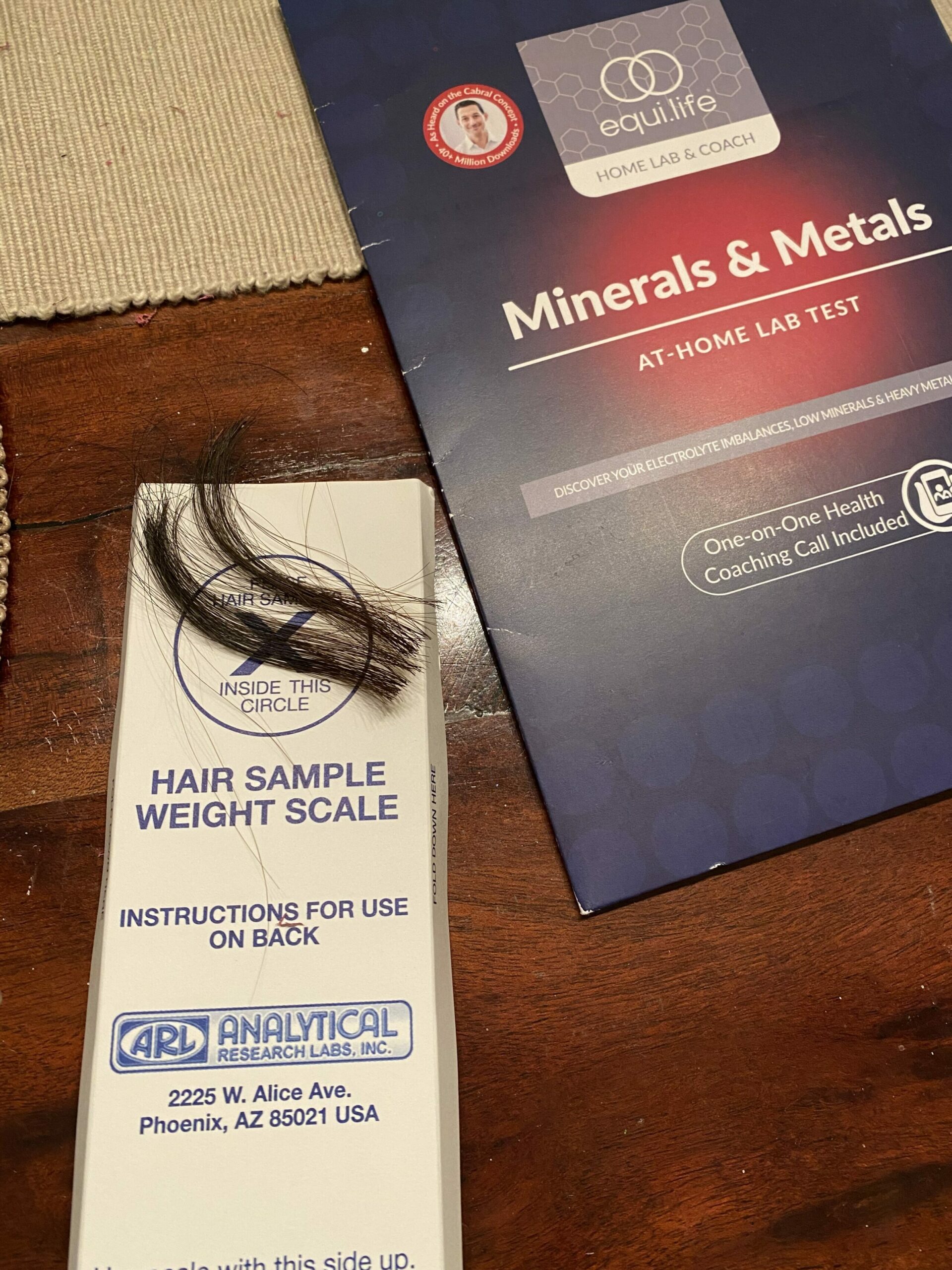
Embarking on a journey to understand the unique needs and complexities of the body is a powerful step toward holistic health. Today I will share what this test is about, its benefits, process, and my personal experience.
NOTE: This information is based on personal experience and education. Consult a healthcare professional for personalized advice. This test does not diagnose, prevent, treat, or cure disease. It is simply an informational tool specific to your unique body.
Hair Tissue Mineral Analysis Test Review
What is HTMA? What can it tell you?
HTMA is a diagnostic tool that analyzes the mineral content in hair tissue. Since our hair reflects the mineral composition of our bodies, this non-invasive test provides a window into mineral imbalances, heavy metal exposure, and potential nutritional deficiencies over the past 90 days. While it’s not designed to diagnose specific illnesses, it goes beyond superficial symptoms and can help reveal the root causes of a variety of health issues. Minerals are vital to our entire body and are the “spark plugs”.
Advantages and Benefits:
HTMA provides a holistic view of your mineral status, helping to identify imbalances or overdoses that may cause health challenges, complementing traditional medical advice. It also provides insight into your nervous system, adrenal function, thyroid function and absorption. Of course, the same things that help our bodies become more disciplined often also improve our mental health and even help fight depression.
Early Detection: Early detection of mineral imbalances allows for proactive adjustments to prevent potential health problems
Customized Nutrition: Based on insights from HTMA, a personalized nutrition plan can be developed to address specific deficiencies and promote overall health.
shortcoming:
External contamination: External factors such as hair products or environmental exposure may affect test results. Choosing a reputable laboratory and following pretesting guidelines can alleviate this concern.
How to take the exam:
Buy a Kit: Choose a trusted HTMA provider and order your kit. (I work with clients to offer test-only packages as part of 1:1 coaching.)
Collect a hair sample: Follow the kit instructions to collect a hair sample from the back of the head closest to the scalp. You don’t need a large amount of hair; about a tablespoon. This test kit comes with a paper scale to ensure you have enough.
Send to Laboratory: Mail the sample to a designated laboratory for analysis.
Here’s my test – I’ve got a full breakdown of the results on IG.

Who can benefit from HTMA?
Chronic health problems:
Individuals experiencing ongoing health challenges may benefit from identifying underlying mineral imbalances.
athlete:
Optimizing mineral levels is critical for athletes aiming to improve performance and recovery.
Preventive health:
Proactively addressing underlying imbalances has the potential to prevent future health problems.

HTMA results breakdown:
HTMA results provide a comprehensive breakdown of various minerals and heavy metals in your body. Key minerals include magnesium, calcium, potassium, sodium, and trace elements such as zinc and copper. Elevated or decreased levels of these minerals can provide insight into underlying health issues.
Learn about mineral imbalances:
Magnesium: Magnesium deficiency may cause muscle cramps, anxiety, and fatigue.
Calcium: Elevated calcium levels may affect cardiovascular health and bone density.
Zinc: An important mineral for immune function; deficiency can affect wound healing and immunity.
Copper: An imbalance may affect energy levels and cause hormonal problems.
Explaining heavy metal exposure:
HTMA also assesses exposure to heavy metals such as lead, mercury, aluminum and cadmium. Elevated levels may indicate environmental exposure or impaired detoxification pathways.
Hair Tissue Mineral Analysis (HTMA) classifies individuals into different metabolic types based on their oxidation rates. This rate is often called a metabolic type, classifying people as fast oxidizers, slow oxidizers, or mixed oxidizers.
Here’s a very brief overview of each:
Rapid oxidizer:
Metabolic characteristics: Fast oxidizers have fast oxidation rates, which means their bodies can process nutrients quickly.
Common characteristics: They may experience high energy and then fatigue, have difficulty maintaining weight, and often crave sweet foods.
Nutritional advice: Rapid oxidants may benefit from a diet rich in complex carbohydrates, moderate amounts of protein, and healthy fats to help stabilize blood sugar levels.
Slow oxidizer:
Metabolic characteristics: Slow oxidants oxidize more slowly, meaning their bodies metabolize nutrients at a slower rate.
Common characteristics: They may struggle with low energy, weight gain, and cravings for stimulants like caffeine.
Nutritional advice: Slow oxidants may benefit from a diet that emphasizes lean protein, complex carbohydrates, and moderate amounts of healthy fats to support sustained energy levels. Mixed oxidant:
Metabolic characteristics:
Mixed oxidants exhibit properties of fast oxidants and slow oxidants, exhibiting a balance between fast and slow metabolic rates.
Common characteristics: They may experience a combination of fast and slow oxidants, which makes their nutritional needs more nuanced.
Nutritional advice: Mixed oxidants benefit from a balanced diet that contains elements of fast and slow oxidant dietary recommendations.
My personal experience:
After going through HTMA, I discovered valuable insights into my mineral status. This test identified areas for improvement and guided me to make targeted dietary adjustments and supplements. While HTMA is not a standalone solution, it has been a powerful tool in my overall health journey. (My food sensitivity tests, tests to assess hormonal imbalances, and oatmeal were also very insightful!)
If you are curious about any functional testing please email me at gina@fitnessista.com
Taking the supplements your body needs rather than what you think you “should” take (which may even cause negative effects) can make a huge difference. New 1:1 customers who sign up for the 3-month plan will receive free HTMA and Candida, Metabolic and Mineral testing (a $499 value).
Have a nice day and I’ll see you soon!
XOXO
Gina


