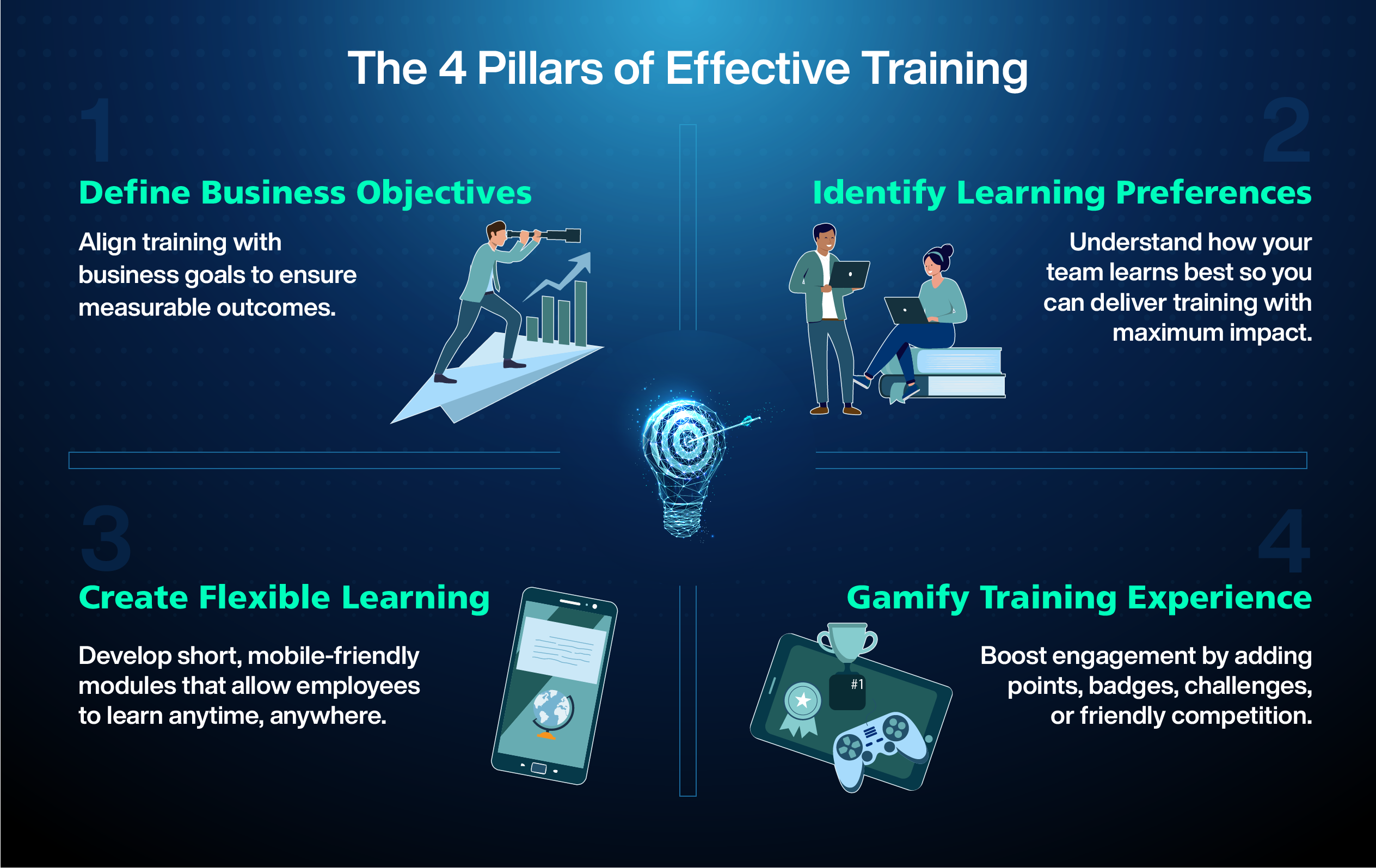
Training employees shouldn’t be a chore. If done correctly, it can transform your team’s performance and help your business grow. But how do you create a truly effective training program? Let’s break it down briefly.
Why good training is important
Think of training like maintaining a car. Regular maintenance keeps it running smoothly and prevents bigger problems from developing. Likewise, good training keeps your team skilled, motivated, and ready to take on new challenges.
Many companies are now choosing to train existing employees rather than hire new ones. Why? It saves money and builds a stronger, more loyal team. Your current employees already understand your company culture and values - they just need the right skills to grow.
The cornerstone of excellent training
1. Understand your business needs
Before starting any training program, ask yourself: What does my business really need? Are you expanding into new markets? Implementing new technology? Improve customer service?
Your training should align with your business goals. If you want to improve your sales performance, focus on sales training. If you’re going digital, teach your team the technical skills they need. It’s that simple.
2. Know your team
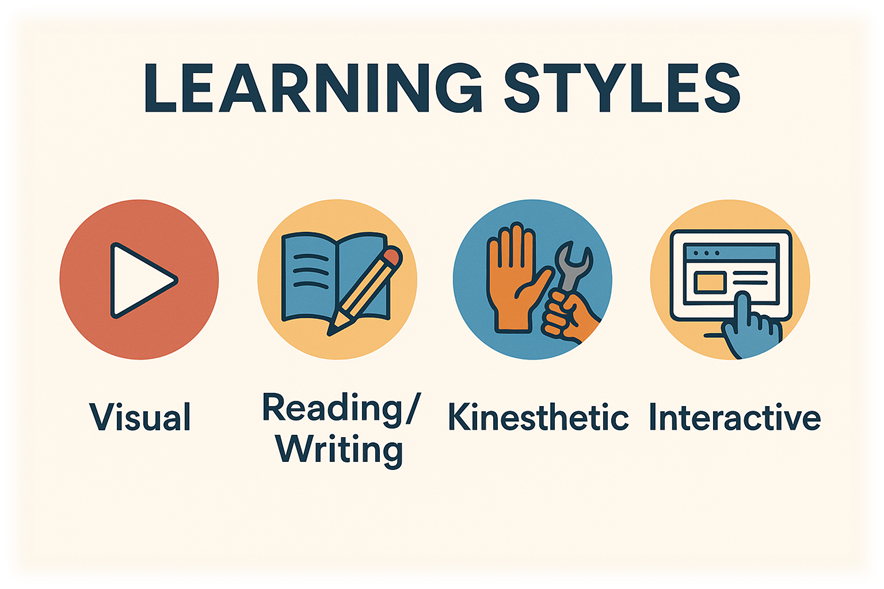
Not everyone learns the same way. Some people like videos, some like reading, and some people learn best by doing. The key is to provide different types of training so that everyone can learn in their own way.
Also, find out what skills your team is missing. Talk to your employees, ask managers, and review performance reviews. This helps you focus on what’s really important rather than wasting time on unnecessary training.
3. Make it accessible
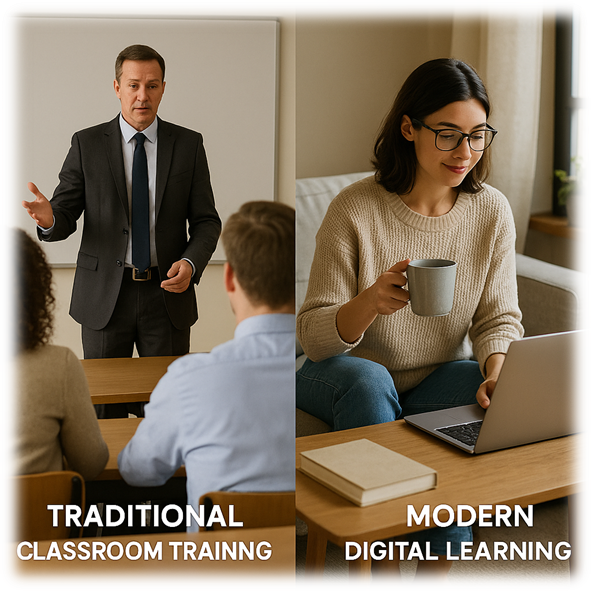
In today’s busy world, no one has time for a week-long training seminar. Create small studies that people can do when they have time. Consider 10-minute videos, quick online modules, or short exercises.
Make sure your training is available on mobile phones and tablets too. Your team should be able to study on their commute, during their lunch break, or whenever it’s convenient.
4. Keep it interesting
Boring training is like sleeping employees. Make learning fun! Use real-world examples from the workplace, add quizzes and games, and create scenarios where people can practice what they’re learning.
When training feels like a game rather than homework, people actually want to participate. Consider adding points, badges, or friendly contests to make it more engaging.
Leverage technology to help
You don’t need to be a tech expert to use technology for training. Simple tools can make a huge difference:
- Learning platform All your training in one place
- Video tools Used to create quick how-to guides
- mobile application Let people study anywhere
- smart tools Recommend personalized training based on each person’s needs
The goal is not to use fancy technology. Use methods that make training your team easier and more effective.
Measure what matters
How do you know if your training is effective? Take a look at the results:
- Are employees performing better?
- Are they more confident in their skills?
- Has customer satisfaction improved?
- Are you seeing better business results?
Ask for feedback from your team, too. They’ll tell you what works and what doesn’t. Use these insights to continuously improve your training program.
Get everyone involved
Training works best when everyone, from top management to frontline employees, is on board. Leaders should also participate in training, which shows that learning is important at all levels.
Encourage employees to share what they learn with teammates. This creates a culture where learning is valued and celebrated rather than a burden.
bottom line
Great training doesn’t have to be complicated or expensive. It just needs to be relevant, accessible, and engaging. When you invest in developing the skills of your team, you are investing in the future of your company.
Start small. Pick an area your team needs to improve and create simple training for it. See what works, get feedback, and build from there. Remember, the goal is progress, not perfection.
Your employees are your greatest asset. Give them the tools to grow and watch your business grow with them. This is the true power of good training.